

Shyntorbulia: A village beyond two rivers, waiting for development

GUWAHATI, July 7, 2026 — There are villages that survive because of development, and there are villages that survive despite its absence.
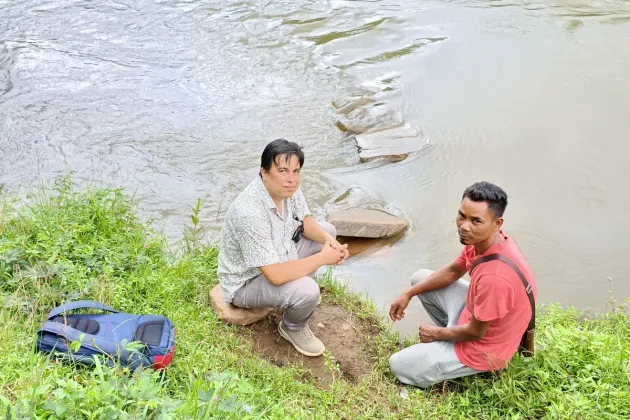
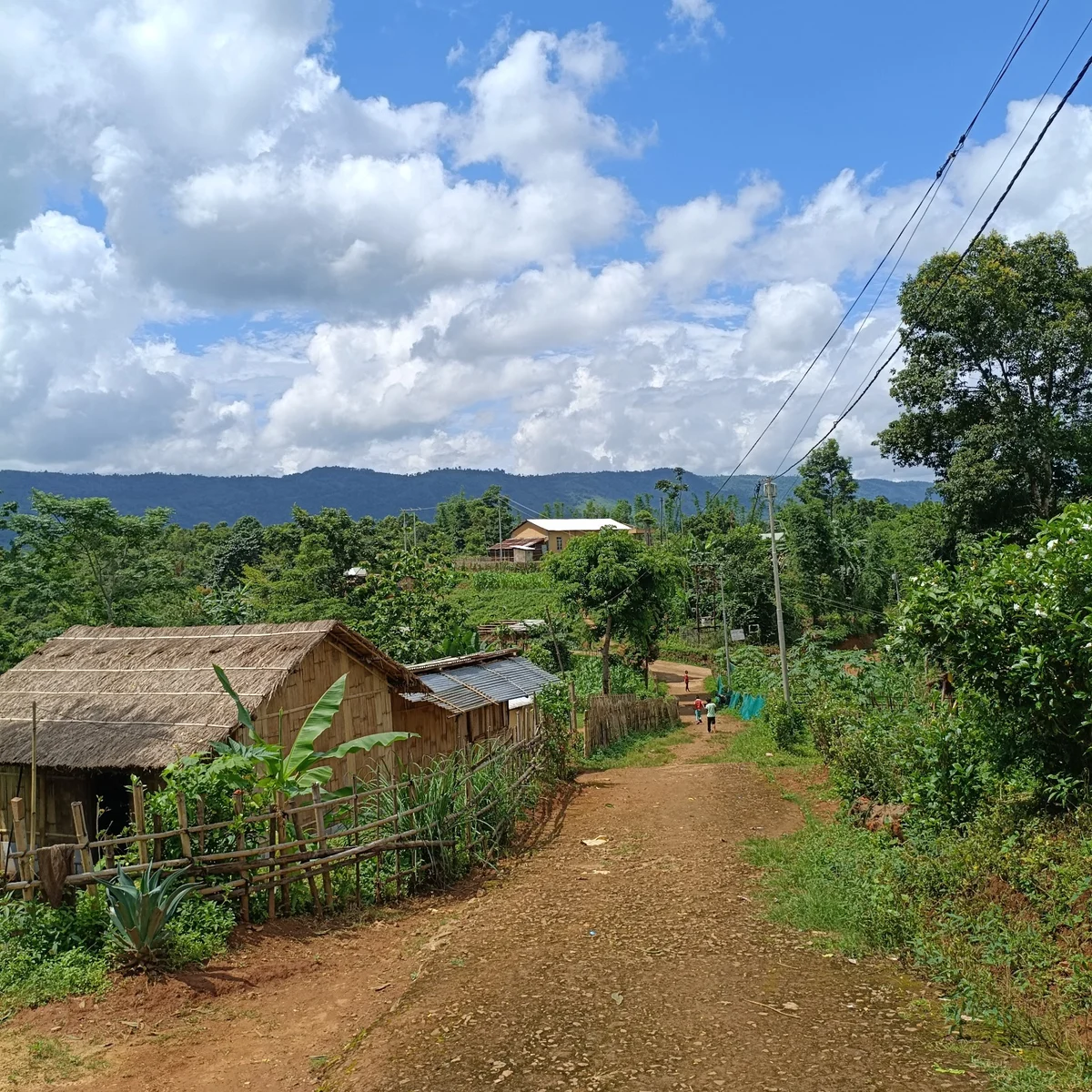
Shyntorbulia lies about 29 kilometres from Nongpoh and less than two hours' drive from Shillong. Yet during the monsoon, visitors must walk for nearly an hour to reach the village after crossing two rivers.
Home to around 63 Khasi families with a population of nearly 300, according to the village headman, Shyntorbulia has grown from the 38 families and 221 residents recorded in the 2011 Census.
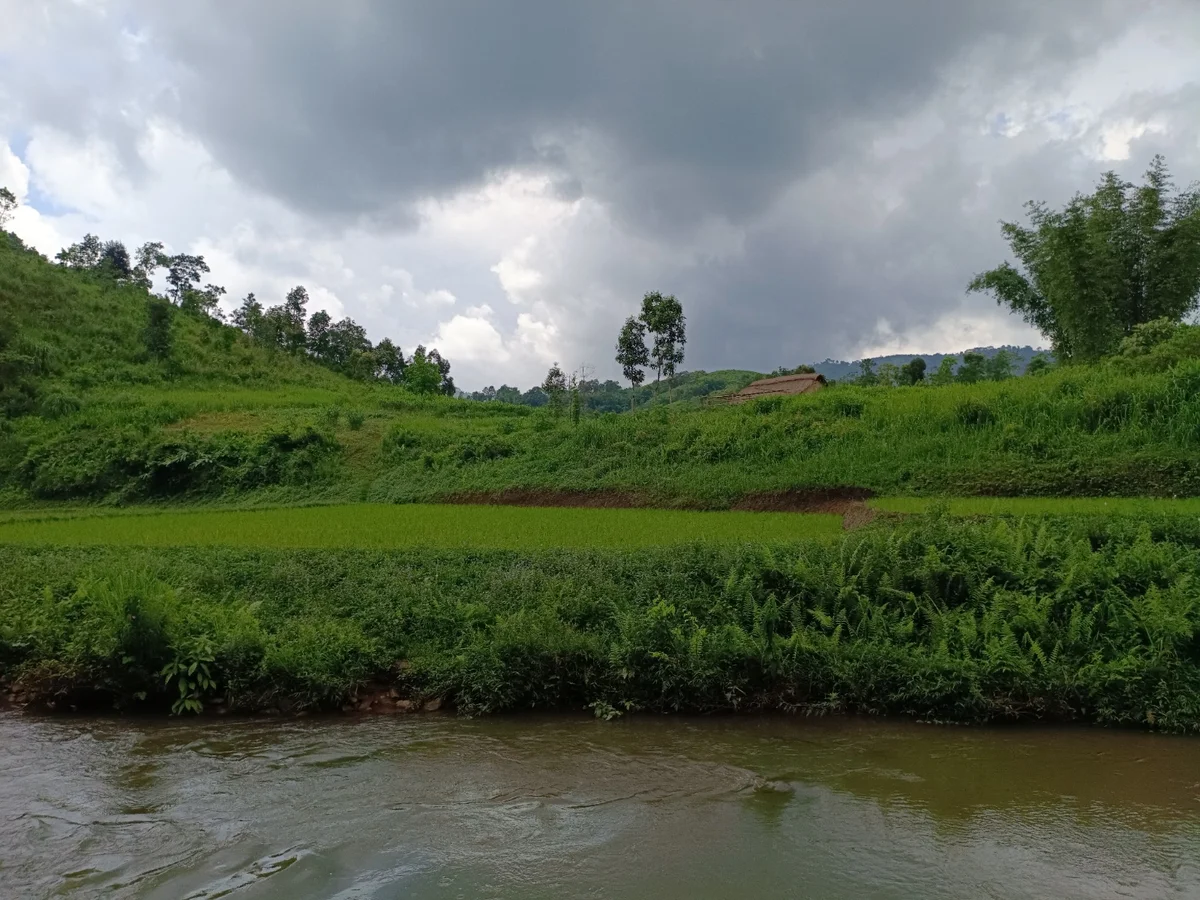
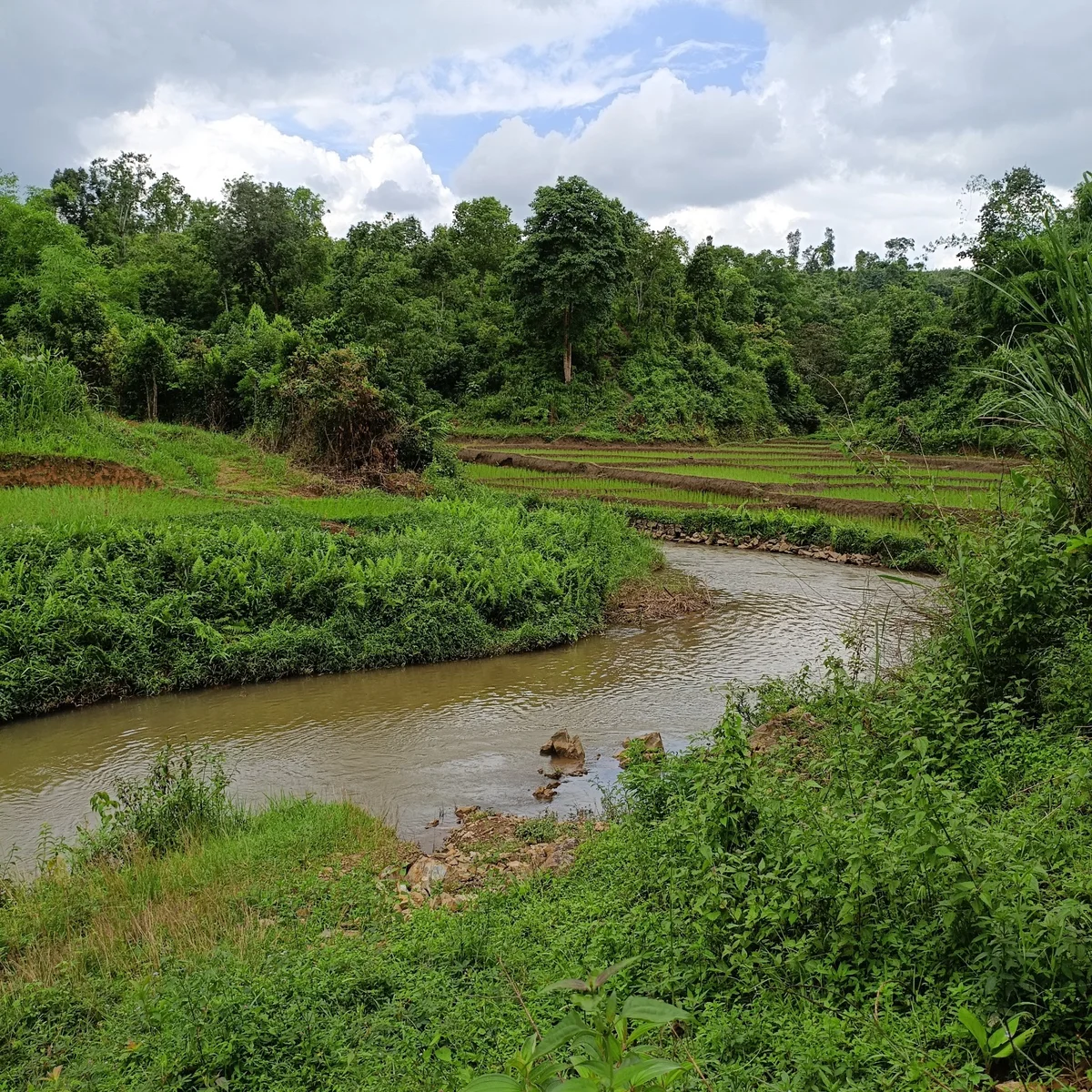
The village sits at the confluence of the Umsinang and Umsha rivers before they flow downstream. Here, the rivers are more than geographical features—they are the community's source of drinking water, fishing grounds, swimming pools, agricultural lifeline and perhaps Shyntorbulia's strongest identity.
The water remains remarkably clear. Children swim in it. Villagers fish in it. Paddy fields stretch along its banks. What appears untouched is not accidental but the outcome of generations of community stewardship.
"We drink this water every day," says village headman Rowel. "That is why we keep the rivers clean. We do not leave timber or logs along the banks because they disturb fish breeding. We also request the upstream villages not to use chemicals in the rivers because the water eventually comes to us."
Long before discussions on river restoration and ecosystem services entered policy documents, the people of Shyntorbulia had quietly been practising them.
Rich natural resources, limited infrastructure
Infrastructure, however, remains the village's greatest concern.
Once inside the village, the contrast becomes apparent. Rich ecological resources coexist with poor road connectivity, limited educational facilities, uncertain livelihoods and public services that have yet to keep pace with the community's needs.
"It is our distance from Nongpoh that continues to affect us," Rowel explains. "We still do not have proper road connectivity. Our school is not good. Drinking water supply is inadequate. In every aspect of development, we are lagging behind."
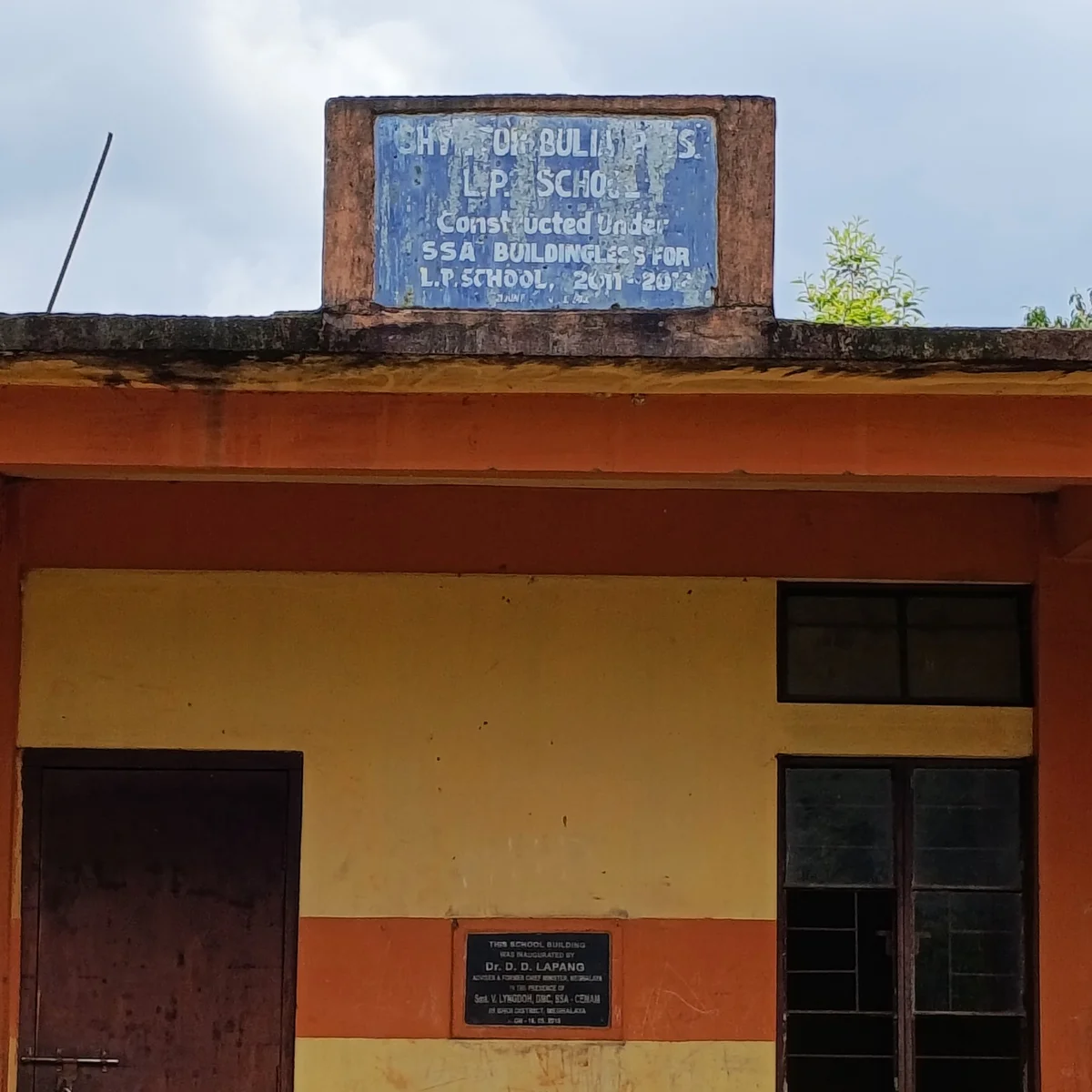
The village received its first Lower Primary School only in 2000. The present school building was inaugurated by former Meghalaya Chief Minister Dr D.D. Lapang in 2011-12. More than a decade later, the school has around 40 students but only two teachers.
"We need a better school," says the headman. "Two teachers cannot meet the needs of all our children. Education is where the government must invest if villages like ours are to move forward."
The story is familiar across many hill villages. While primary education reaches remote communities, opportunities beyond that often require students to migrate.
Rowel knows this personally. One of his sons left school after Class VI because the family could not afford to continue his education. Today, one of his daughters studies in Class XI in Nongpoh, where accommodation alone costs nearly ₹2,500 a month, excluding tuition fees, books and other living expenses.
"For many families," he says, "higher education becomes a financial burden."
Despite these challenges, many young people leave the village to pursue higher education and better livelihood opportunities elsewhere. However, only a few eventually return.
"Once our children become educated and find opportunities outside, very few come back," says Rowel.
This reflects a growing reality across many rural communities in Meghalaya. While education is opening new opportunities for the younger generation, villages like Shyntorbulia continue searching for ways to create livelihoods that encourage them to return and contribute to their own communities.
Livelihoods rooted in tradition
Livelihood opportunities in Shyntorbulia remain limited.
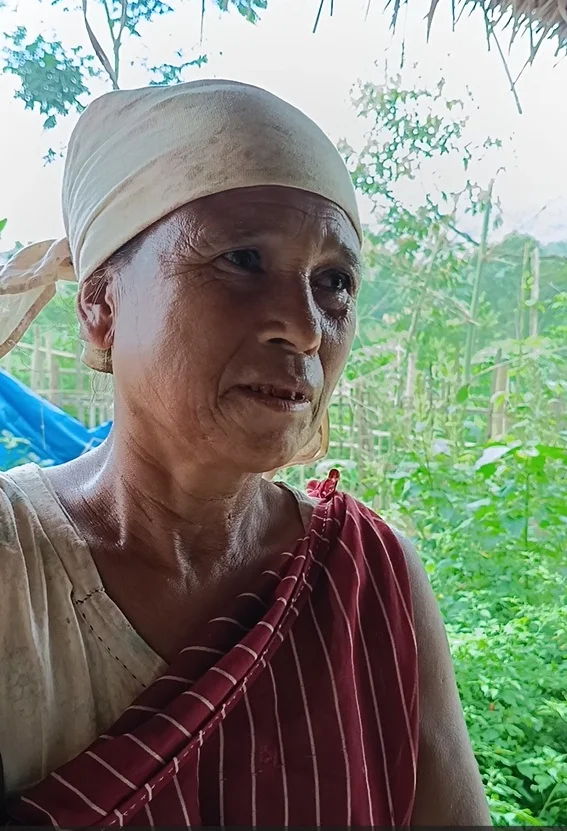
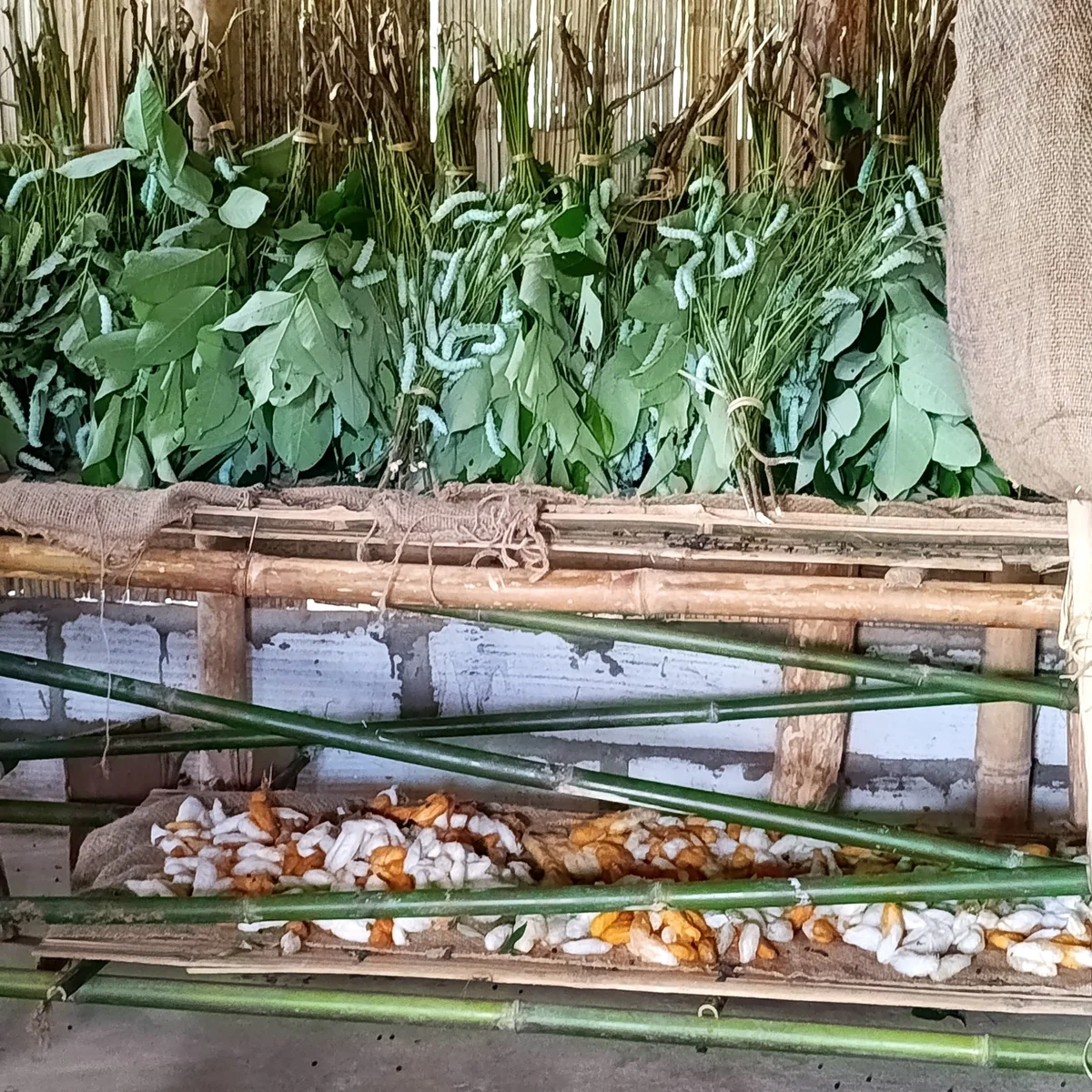
Most households depend on bamboo harvesting, daily wage labour and the traditional practice of eri silkworm rearing to supplement their incomes. Although the village has a long association with sericulture, returns remain modest and seasonal.
To support this traditional livelihood, the Sericulture Department recently provided eri silkworm rearing houses to 15 households. While the initiative has been welcomed, some beneficiaries believe there is room for improvement.
"They have given us the rearing house, but it is not a good one," says one woman engaged in eri silkworm rearing, expressing disappointment over the quality of the structure.
Villagers appreciate the government's support but hope future interventions will be better suited to local conditions and practical needs, helping strengthen livelihoods in a more meaningful and sustainable way.
A water-rich village without rainwater harvesting
Water tells another interesting story about Shyntorbulia.
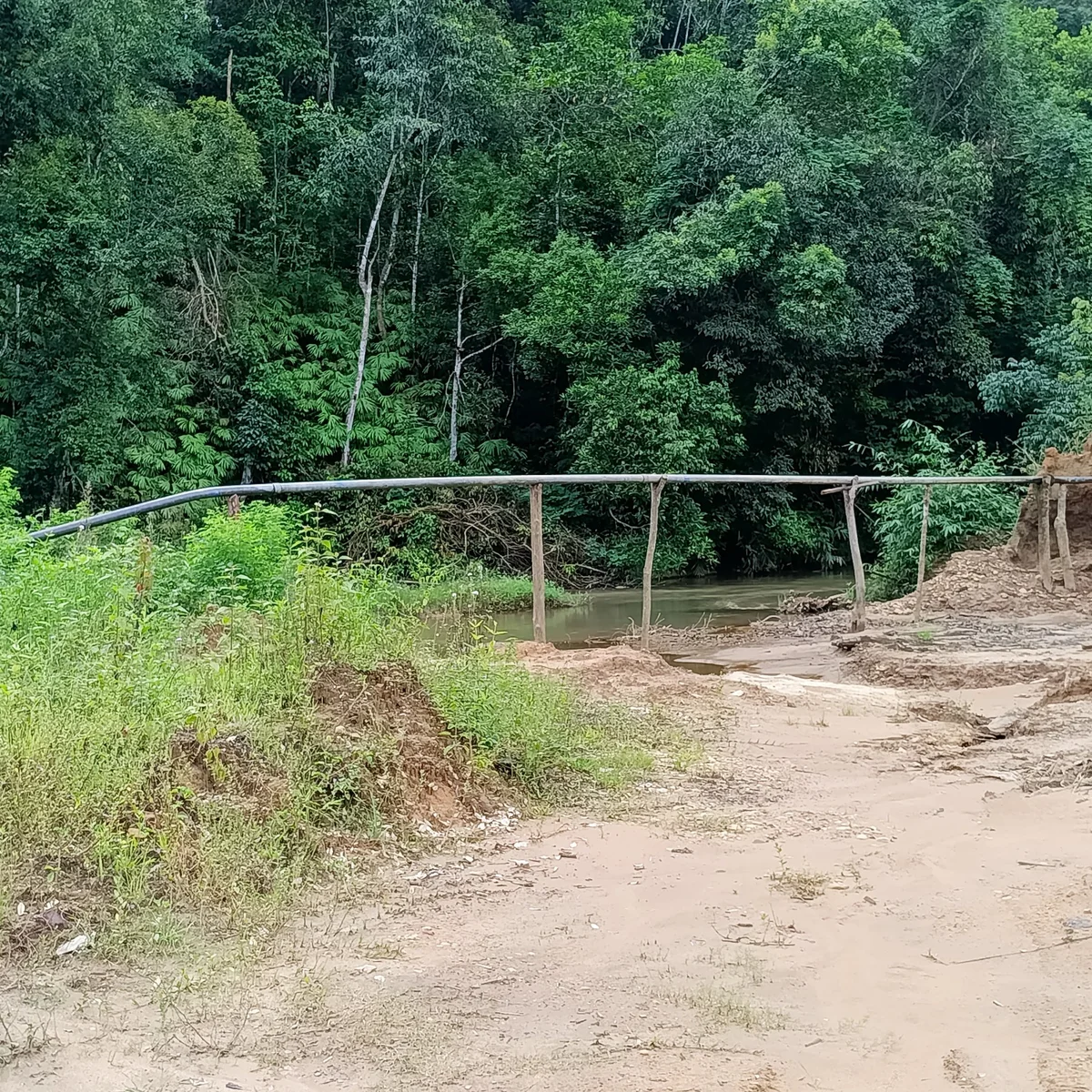
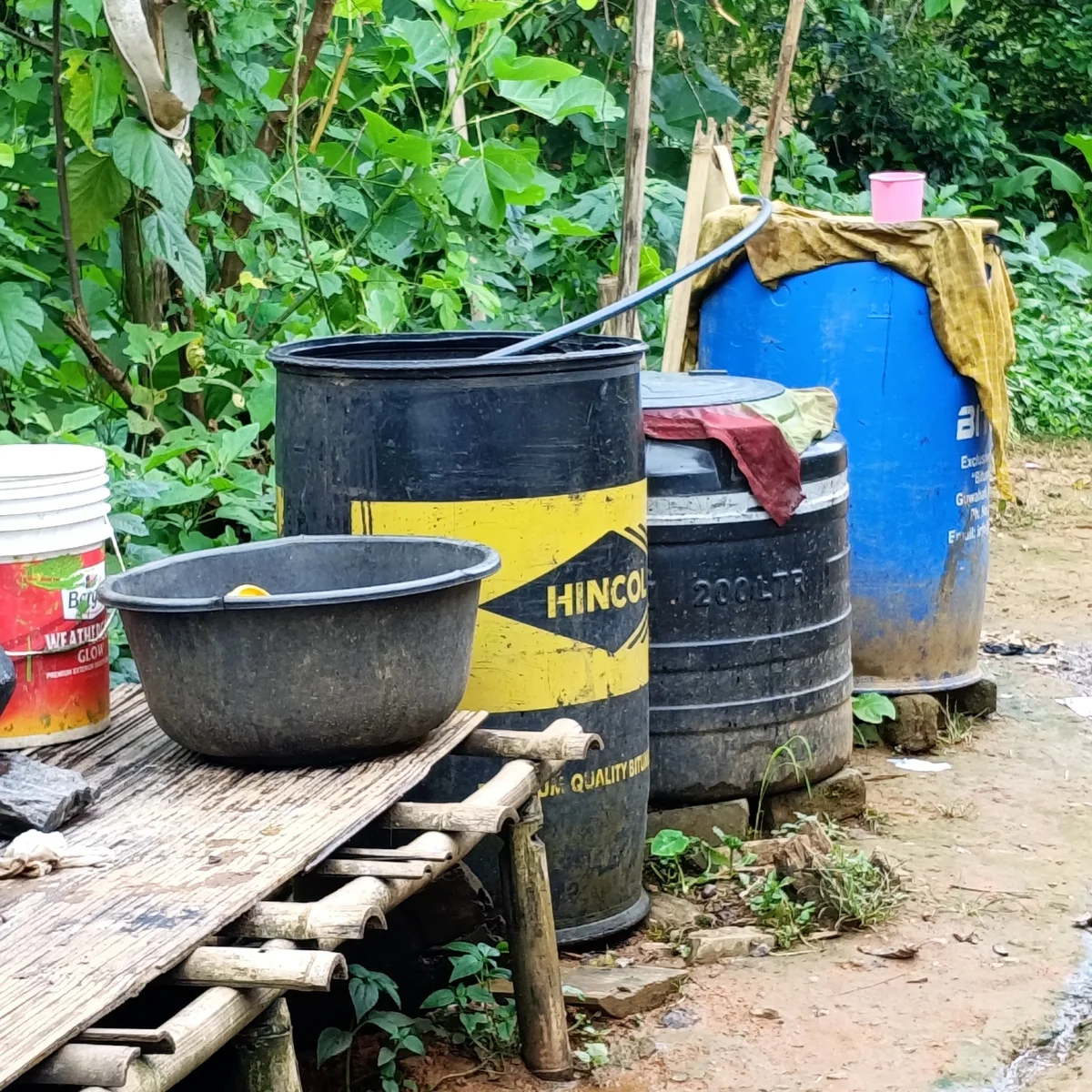
Through the Jal Jeevan Mission, households receive piped water for roughly two hours each day, storing it in plastic tanks for later use. Whenever supplies fall short, families continue to walk downhill to collect water directly from the two rivers.
It is perhaps one of the village's greatest paradoxes. Surrounded by abundant rainfall and perennial rivers, not a single household has yet adopted rainwater harvesting.
The opportunity exists. The technology is simple. The missing link appears to be awareness, technical support and institutional encouragement.
Eco-tourism offers new possibilities
Last year, the village organised the Shyntor Festival, a community-led initiative celebrating Khasi culture, music, rivers, forests and traditional livelihoods.
According to the organisers, the festival attracted more than 3,000 visitors, demonstrating that responsible eco-tourism can become an important supplementary livelihood if developed thoughtfully.
"The District Administration has helped us, and we are thankful," says Rowel. "But if this festival is to grow, we need support from every corner."
Preparations are now underway for the next edition of the festival, with villagers hoping for broader institutional and public support.
Shyntorbulia possesses what many destinations aspire to have—a pair of pristine rivers, rich biodiversity, living Khasi traditions and a community that continues to safeguard its natural surroundings.
The challenge for Meghalaya's development journey is equally clear.
Though located less than two hours from Shillong, Shyntorbulia still awaits better education, reliable connectivity, sustainable livelihoods and improved public services, reminding us that geographical proximity alone does not guarantee development.
The villagers now hope that Chief Minister Conrad K. Sangma will visit Shyntorbulia, witness both its immense potential and its persistent challenges, and help carry forward the development efforts that began years ago.
Comments (0)
No comments yet. Be the first to share your thoughts.
Leave a Comment