

Potholes, promises and public neglect: Arunachal's key highways crumble into death traps
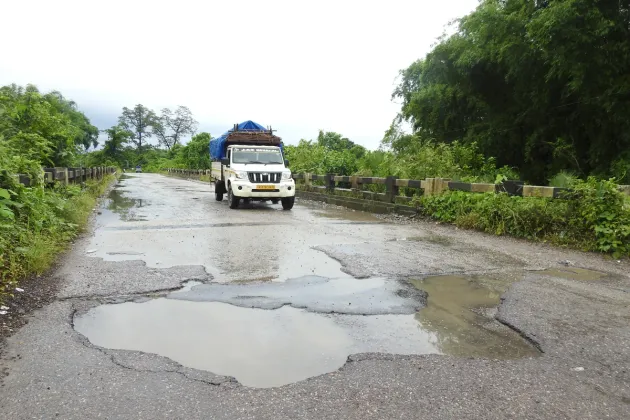

PASIGHAT, July 8, 2026 — What was once projected as a flagship component of the Trans Arunachal Highway has today become a symbol of official neglect. Key stretches of National Highway-515 and National Highway-13 have deteriorated into dangerous, crater-ridden roads, exposing thousands of commuters to daily risk while raising uncomfortable questions about accountability, maintenance and public spending.
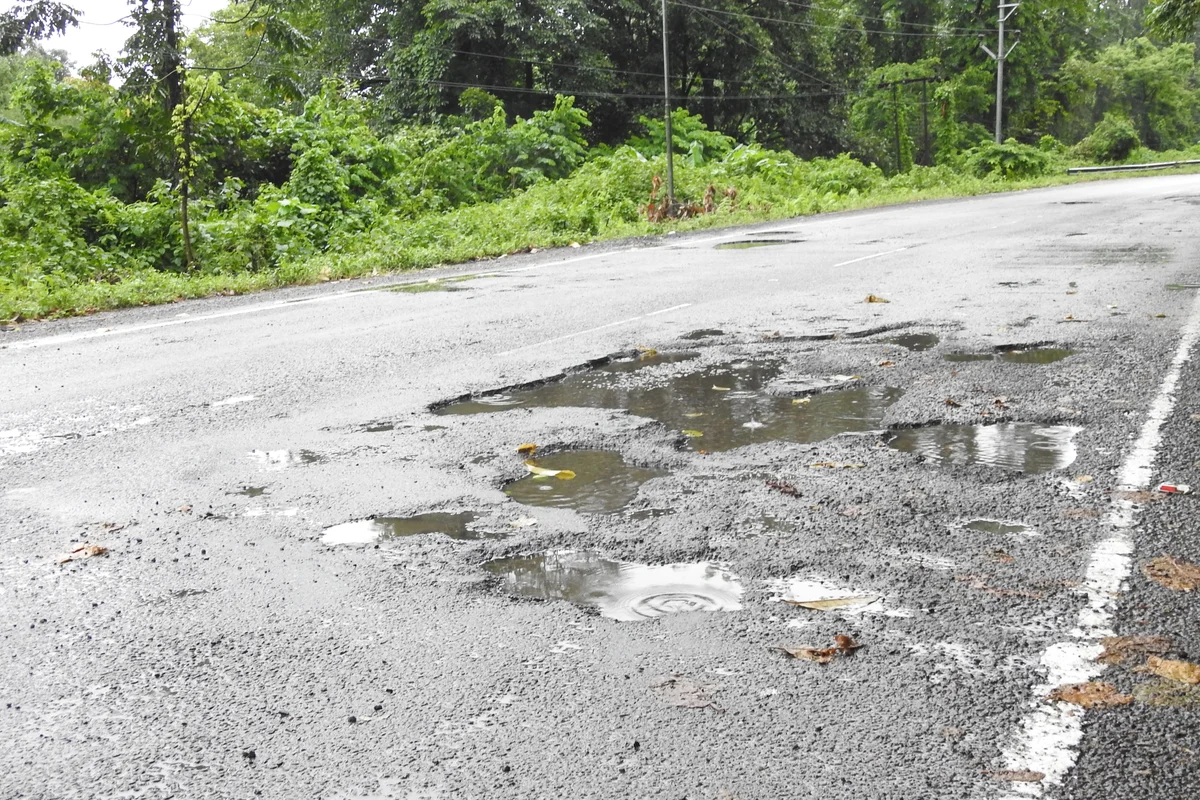
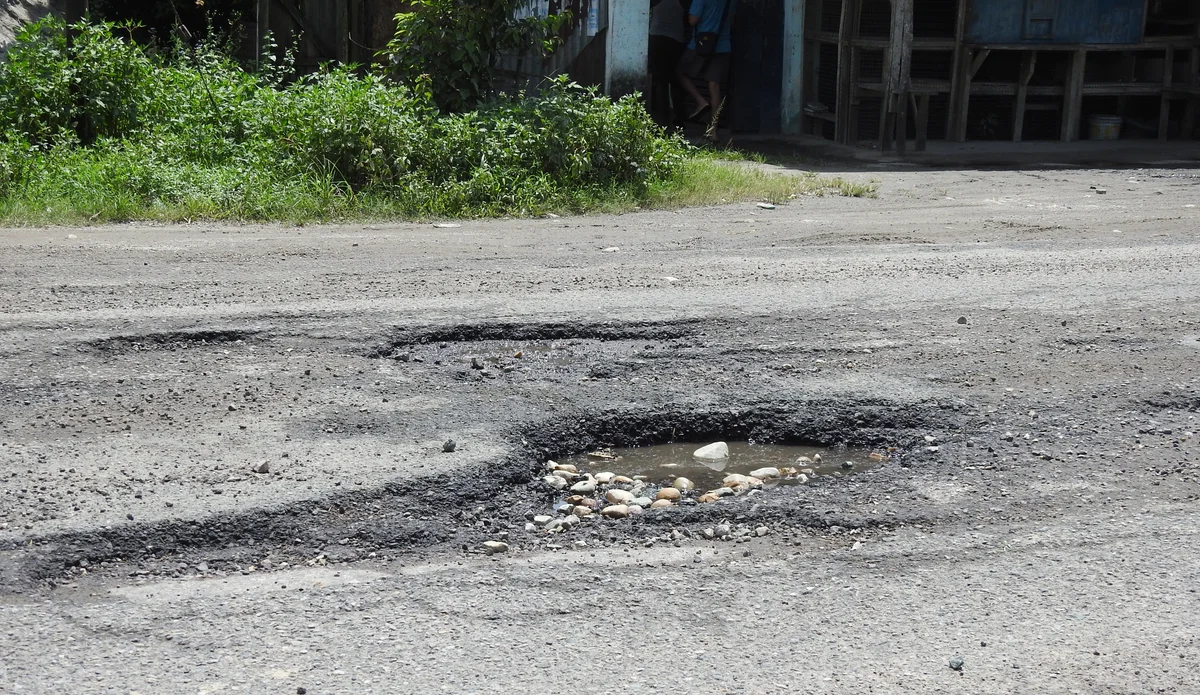
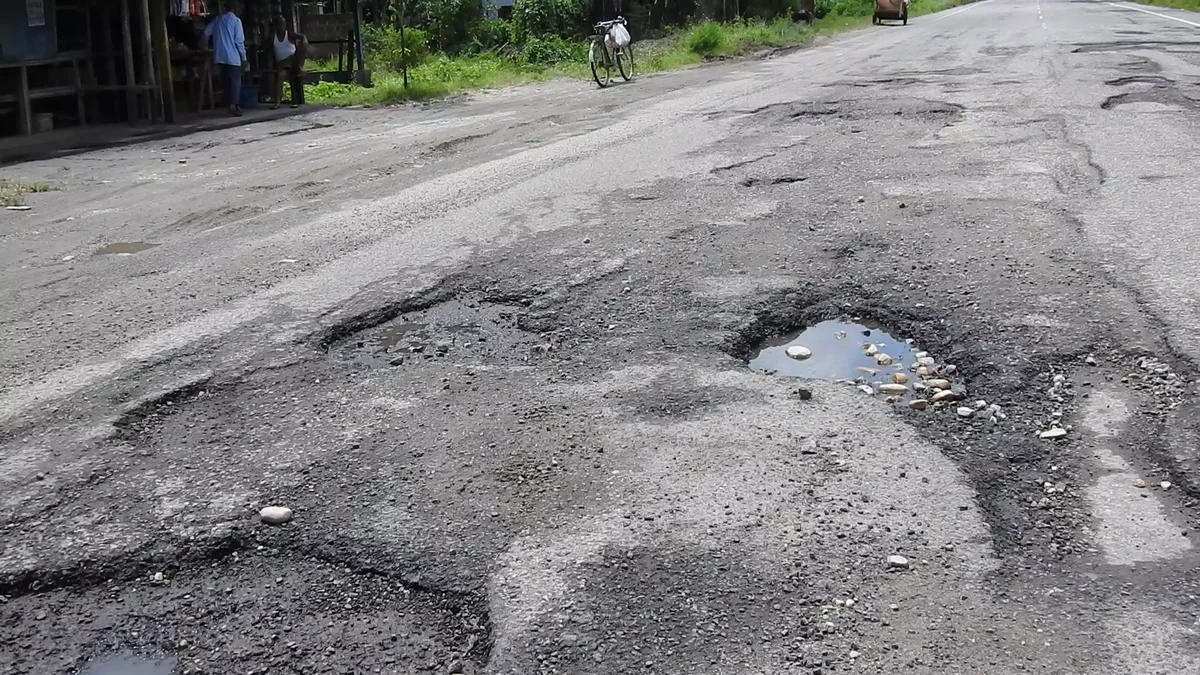
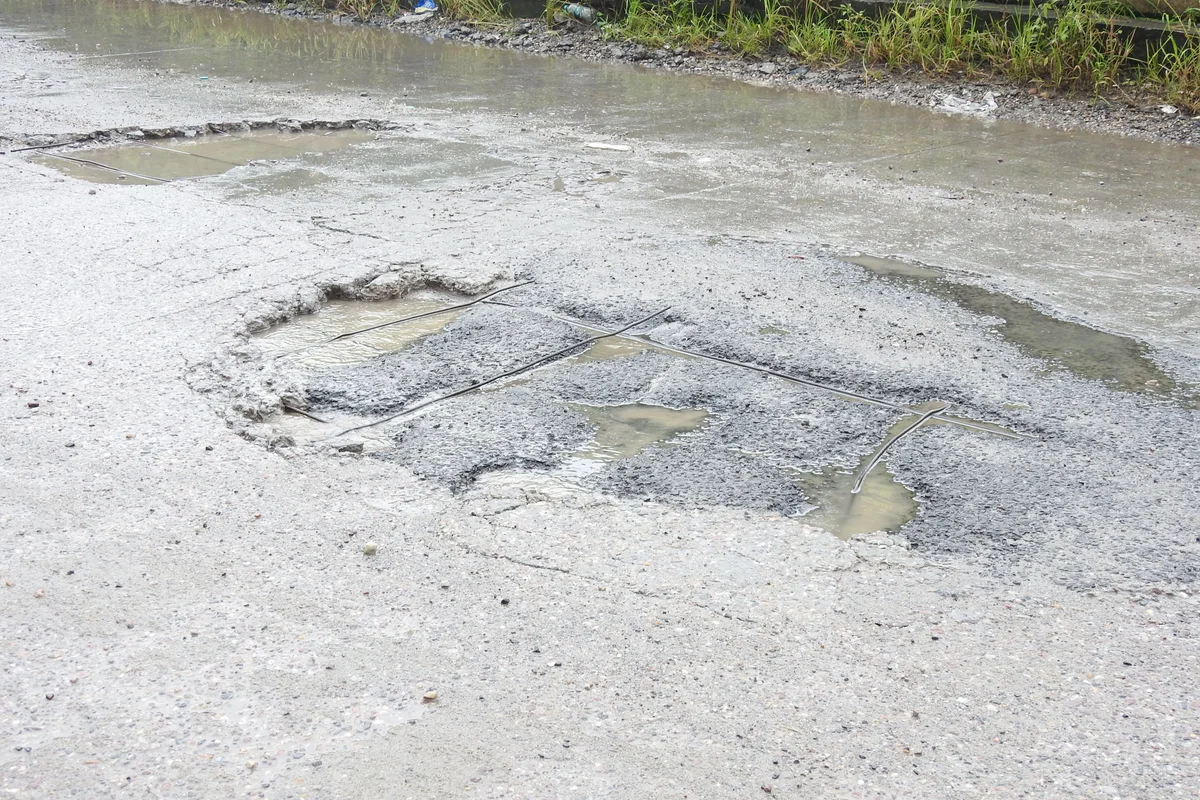
Deep potholes, broken carriageways and eroded surfaces now dominate these vital inter-state highways, turning every journey into a test of endurance—and, increasingly, of survival.
NH-515, one of the principal road links between Assam and Arunachal Pradesh, is in an alarming state. The stretch connecting Jonai in Assam with Ruksin and Pasighat through Sille, Oyan, Rani and 7 Mile has been reduced to a series of massive potholes and damaged road surfaces.
This is no ordinary road.
It is the primary lifeline for central and eastern Arunachal Pradesh, connecting East Siang, Siang, Upper Siang, West Siang and Shi-Yomi districts, besides providing access to Lower Dibang Valley, Dibang Valley, Namsai and Lohit.
The situation is no better on NH-13.
Beyond the Raneghat bridge, the highway linking Mebo Sub-Division, Dambuk and Roing has also fallen into severe disrepair. The Raneghat-Ayeng-Mebo stretch is riddled with deep craters, eroded shoulders and collapsing road sections. Approaches to Ayeng village, Siku Bridge and Mebo Chariali have deteriorated so extensively that large sections of the highway are barely motorable.
Built under the ambitious Trans Arunachal Highway project, the road today presents a picture of abandonment rather than progress.
For residents, the consequences are immediate and unavoidable.
These roads are travelled daily for work, trade, education, healthcare and emergency services. Commuters say repeated jolts and broken stretches have sharply increased vehicle repair costs while making every journey slower and more dangerous.
The present crisis was foreseen nearly a decade ago.
During 2015-16, the Ministry of Road Transport and Highways transferred these highway stretches from the Border Roads Organisation (BRO) to the Arunachal Pradesh Public Works Department (PWD).
The decision was opposed from the outset.
Under the banner of the Pasighat-Bomjir NH-52 Bachao Committee, chaired by Todol Pertin with Olen Rome as Member Secretary, residents submitted memoranda to Deputy Chief Minister Chowna Mein and the then Director General of the BRO, Lt Gen Suresh Sharma, in March 2016.
Their warning was unequivocal: the state PWD lacked the capacity to maintain highways of such strategic and economic importance.
The handover nevertheless went ahead.
A decade later, those warnings appear to have become reality.
Despite repeated public complaints, no comprehensive renovation has been undertaken. Bridges are showing signs of structural deterioration, while frustration has spilled onto social media, with residents openly questioning the PWD's handling of the highways.
This is not the first warning.
The deteriorating condition of these roads was highlighted by this correspondent in October 2025, prompting limited patchwork repairs near the 7 Mile bridge at Rani village and the Raneghat bridge across the Siang River.
Those repairs have proved short-lived.
The patched sections have once again developed deep potholes, while the remaining damaged stretches continue to be ignored—raising serious concerns about construction quality and oversight.
The continued neglect inevitably raises uncomfortable questions for both the PWD Highway Division and the National Highways & Infrastructure Development Corporation Ltd. (NHIDCL).
If funds are unavailable, why has maintenance not been prioritised? If funds have been sanctioned by the Ministry, where have they gone? And who will be held accountable for allowing nationally important highways to deteriorate to this extent?
The implications extend far beyond public inconvenience.
Besides serving thousands of civilians each day, these highways form critical strategic corridors for the movement of security forces towards the Line of Actual Control (LAC). At a time when border infrastructure has become central to national security, allowing key highways in central and eastern Arunachal Pradesh to crumble into dangerous stretches represents more than administrative failure—it is a strategic liability.
The public has waited for nearly ten years.
The potholes have only grown deeper.
The question now confronting the authorities is simple: How much longer will official indifference be allowed to define the condition of Arunachal Pradesh's most critical highways?
Comments (0)
No comments yet. Be the first to share your thoughts.
Leave a Comment