
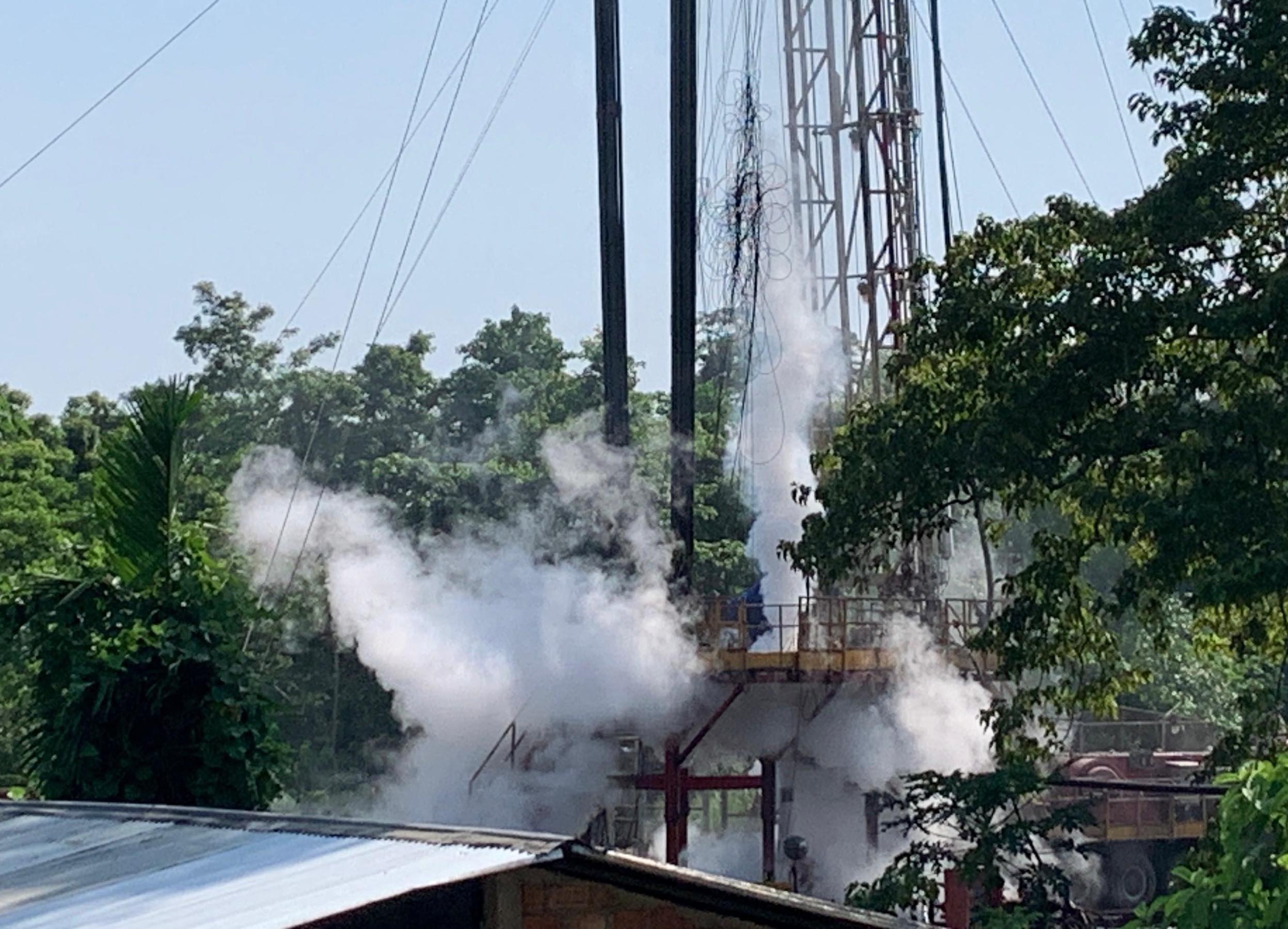
Assam, a state rich in natural resources, has faced recurring nightmares from its oil and gas industry, with devastating impacts on its people and environment. The Baghjan gas leak of 2020, operated by Oil India Limited (OIL), and the ongoing ONGC gas leak in Sivasagar (June 2025), operated by Oil and Natural Gas Corporation (ONGC), are stark reminders of the human cost of industrial mishaps. This blog post delves into the profound effects on common people in both incidents, compares their timelines for containment, and highlights the urgency of addressing systemic issues to prevent future tragedies.
The Baghjan Gas Leak (2020): A 173-Day Ordeal
On May 27, 2020, a catastrophic blowout occurred at Well No. 5 in OIL’s Baghjan oilfield, Tinsukia district, Assam, during workover operations. High-pressure natural gas began escaping uncontrollably, and on June 9, 2020, the well caught fire, turning the crisis into one of India’s worst industrial disasters. It took 173 days—until November 15, 2020—to cap the well, with the fire extinguished earlier on November 3, 2020.
Impact on Common People
The Baghjan disaster displaced thousands, disrupted livelihoods, and left lasting scars on communities, particularly in villages like Baghjan, Natun Gaon, and Dighaltarang.
- Displacement and Evacuation: Over 9,000 families (approximately 30,000 people) were forced to flee their homes, seeking shelter in relief camps or with relatives. Camps lacked adequate sanitation, food, and medical facilities, especially in the early weeks, compounding the misery of evacuees. Women and children faced heightened risks, with reports of inadequate privacy and safety.
- Loss of Livelihoods: The majority of affected residents were farmers, fishers, and daily wage earners. The gas leak and fire polluted agricultural fields, rivers, and wetlands, rendering farmland barren and fish stocks in the Maguri-Motapung wetland decimated. Tea garden workers, a significant local workforce, faced job disruptions as plantations near the site were contaminated. Many families lost their primary income sources, plunging them into poverty.
- Health Impacts: Continuous exposure to toxic gas and polluted water led to respiratory issues, skin ailments, and eye irritation among residents. Long-term health risks, including potential carcinogenic effects, remain a concern due to inadequate follow-up studies. The psychological toll was immense, with reports of anxiety, trauma, and depression among displaced families.
- Loss of Lives and Property: Three workers perished in the fire, and numerous livestock died due to gas exposure. Homes, crops, and personal belongings were damaged or destroyed, with many families receiving delayed or insufficient compensation.
- Education Disruption: Schools in the affected areas were closed, and relief camp conditions hindered children’s access to education. The COVID-19 pandemic, ongoing at the time, exacerbated challenges, as online learning was inaccessible to most rural families.
- Social Fabric: The prolonged displacement strained community bonds, with tensions arising over compensation disparities and access to relief. Indigenous communities, including the Moran and Motok, felt marginalized in relief efforts, deepening mistrust toward authorities.
Compensation and Aftermath
OIL announced compensation packages, ranging from Rs 25,000 to Rs 30 lakh per family, depending on the extent of loss, but disbursements were marred by delays and bureaucratic hurdles. By 2021, many families were still awaiting full payments. Environmental restoration efforts in the Maguri-Motapung wetland and Dibru-Saikhowa National Park remain incomplete, with lasting ecological damage. Public outrage, amplified by protests and political voices like Congress MP Gaurav Gogoi, who criticized OIL’s negligence, led to inquiries but little systemic reform.
The ONGC Sivasagar Gas Leak (2025): An Ongoing Crisis
On June 12, 2025, a blowout occurred at Well No. RDS-147A in ONGC’s Rudrasagar oilfield, Sivasagar, Assam, during a zone transfer perforation by private contractor SK Petro Services. As of June 17, 2025, the leak remains uncontrolled, marking six days of ongoing crisis. High-pressure gas from a newly discovered reservoir has complicated containment efforts, with no fire reported but fears of an explosion persisting.
Impact on Common People
The Sivasagar leak, though shorter in duration so far, mirrors Baghjan’s human toll, affecting approximately 1,500 people across 350 families in villages like Bhatiapar and Bari Chuk.
- Displacement and Evacuation: Around 350 families were evacuated on June 12, 2025, to a relief camp at Bhati Bongaon, equipped with food, water, and medical facilities. The sudden displacement disrupted daily routines, with residents fearing a repeat of Baghjan’s prolonged exile. The deafening sound of escaping gas, audible 3-4 km away, has caused widespread panic, prompting some to leave voluntarily.
- Loss of Livelihoods: Most affected residents are farmers and small-scale entrepreneurs reliant on agriculture and local trade. The gas leak threatens nearby paddy fields and water bodies, raising concerns about crop failure and contaminated drinking water. Daily wage earners, unable to work due to restricted site access, face immediate financial distress.
- Health and Safety Concerns: While the Pollution Control Board of Assam reports air quality within tolerable limits, residents complain of headaches, nausea, and respiratory discomfort from gas exposure. The absence of a fire is a relief, but the risk of ignition keeps communities on edge. Psychological stress is evident, with children and the elderly particularly vulnerable.
- Property and Livestock: No major property damage has been reported, but livestock in nearby villages are at risk from gas exposure. Farmers worry about long-term soil and water contamination, which could render their land unusable.
- Education and Community Life: Schools in the affected areas have been disrupted, with children in relief camps missing classes. Community activities, including local markets and religious gatherings, are halted, straining social cohesion.
- Relief Efforts: The Sivasagar district administration, led by Commissioner Ayush Garg, has provided cooked food, medical care, and animal husbandry support at the relief camp. On June 17, 2025, Assam Chief Minister Himanta Biswa Sarma announced Rs 25,000 interim relief per affected family from the Chief Minister’s Relief Fund, with further compensation planned. However, residents express skepticism, citing Baghjan’s delayed payouts.
Political and Public Response
Congress MP Gaurav Gogoi, in an X post on June 16, 2025, urged Union Petroleum Minister Hardeep Singh Puri to investigate the Sivasagar leak, highlighting ONGC’s failure to cap it after five days and the role of a private contractor. Gogoi referenced Baghjan’s six-month ordeal, warning of a similar fate for Sivasagar. Puri responded on June 17, 2025, via X, detailing ONGC’s well control efforts, including international expertise and relief measures. Public sentiment, amplified on X by users like
Timeline Comparison: Baghjan vs. Sivasagar
- Baghjan (2020):
- Start: May 27, 2020
- Fire Outbreak: June 9, 2020
- Fire Extinguished: November 3, 2020
- Well Capped: November 15, 2020
- Total Duration: 173 days
- Sivasagar (2025):
- Start: June 12, 2025
- Current Status: Uncontrolled as of June 17, 2025
- Total Duration (so far): 6 days
The Baghjan crisis lasted nearly six months, a benchmark that looms large over Sivasagar. ONGC’s ongoing efforts, including “junk pumping” and consultations with U.S. specialists, aim to avoid such a prolonged timeline, but the high-pressure reservoir poses a significant challenge. Gaurav Gogoi’s reference to Baghjan underscores fears that Sivasagar could escalate if not addressed swiftly.
Common Threads: The Plight of Assam’s People
Both incidents reveal a pattern of systemic failures in Assam’s oil and gas sector, with ordinary citizens bearing the brunt.
- Vulnerability of Rural Communities: In both Baghjan and Sivasagar, rural, agrarian communities with limited resources face disproportionate impacts. Their reliance on land and water makes them acutely vulnerable to pollution and displacement.
- Economic Devastation: The loss of livelihoods—whether through contaminated fields in Baghjan or disrupted farming in Sivasagar—pushes families into financial precarity. Delayed or inadequate compensation exacerbates their struggles.
- Health and Psychological Toll: Gas exposure and displacement in both cases have caused immediate health issues and long-term trauma, particularly among vulnerable groups like children, women, and the elderly.
- Mistrust in Authorities: Baghjan’s prolonged crisis and compensation delays have eroded public trust, a sentiment now resurfacing in Sivasagar. Residents question ONGC’s initial claim of “control” on June 12, 2025, given the leak’s persistence.
- Environmental Neglect: Both incidents highlight inadequate environmental safeguards, with Baghjan’s wetland devastation serving as a warning for Sivasagar’s potential ecological impact.
- Political Advocacy: Gaurav Gogoi’s vocal interventions in both cases reflect the political pressure to hold corporations accountable, but tangible outcomes remain elusive.
Lessons Unlearned: Why Assam Suffers Again
The Baghjan disaster exposed critical gaps in safety protocols, contractor oversight, and emergency preparedness, yet the Sivasagar leak suggests little has changed. Key issues include:
- Contractor Accountability: In Baghjan, OIL’s operational failures were scrutinized, while in Sivasagar, Gogoi’s call to probe SK Petro Services’ role raises questions about private contractor standards.
- Maintenance Neglect: Both wells (Baghjan’s Well No. 5 and Sivasagar’s RDS-147A) were old, non-producing units undergoing workovers, pointing to poor maintenance of aging infrastructure.
- Delayed Response: Baghjan’s 173-day crisis and Sivasagar’s six-insix-day (and counting) struggle reflect underestimation of high-pressure reservoirs and inadequate crisis management.
- Community Exclusion: Affected communities in both cases report limited consultation in relief and restoration processes, fueling resentment.
The human toll of Baghjan and Sivasagar demands urgent reforms to protect Assam’s people and environment:
- Strengthen Safety Standards: Rigorous audits of oil and gas infrastructure, especially aging wells, must be mandated, with strict penalties for non-compliance.
- Enhance Contractor Oversight: Clear guidelines and accountability mechanisms for private contractors like SK Petro Services are essential to prevent operational failures.
- Swift Compensation: Streamlined, transparent compensation processes, as promised by CM Sarma for Sivasagar, must be prioritized to support affected families.
- Environmental Protection: Robust monitoring and restoration plans, unlike Baghjan’s incomplete efforts, are critical to safeguard ecosystems like Sivasagar’s water bodies.
- Community Engagement: Involving local communities in decision-making fosters trust and ensures relief meets their needs.
- Learning from History: A public inquiry into Sivasagar, as demanded by Gogoi, should draw lessons from Baghjan to prevent future disasters.
The Baghjan gas leak of 2020, which tormented Assam for 173 days, and the ongoing Sivasagar crisis, now in its sixth day as of June 17, 2025, are not just industrial accidents—they are human tragedies. Families uprooted from their homes, farmers staring at barren fields, and children haunted by the roar of escaping gas embody the true cost of these disasters. Gaurav Gogoi’s poignant reminder of Baghjan in his June 16, 2025, X post to Hardeep Singh Puri is a clarion call: Assam cannot afford another prolonged crisis. As ONGC races to cap the Sivasagar well, the people of Assam watch with bated breath, hoping history does not repeat itself. Their resilience deserves more than relief camps and promises—it demands systemic change to ensure safety, justice, and dignity.
- 141005 reads


Add new comment