

Manas communities turn to scientific beekeeping for sustainable livelihoods
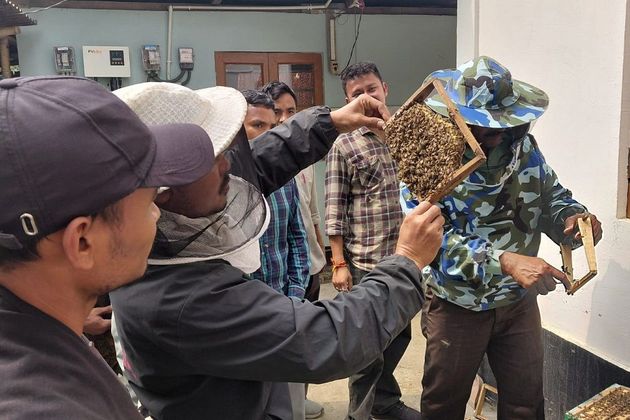

Scientific beekeeping is opening up new livelihood opportunities for farmers and rural youth in the Manas landscape, where communities living around Manas National Park and Tiger Reserve are increasingly adopting the practice as a sustainable and biodiversity-friendly source of income.
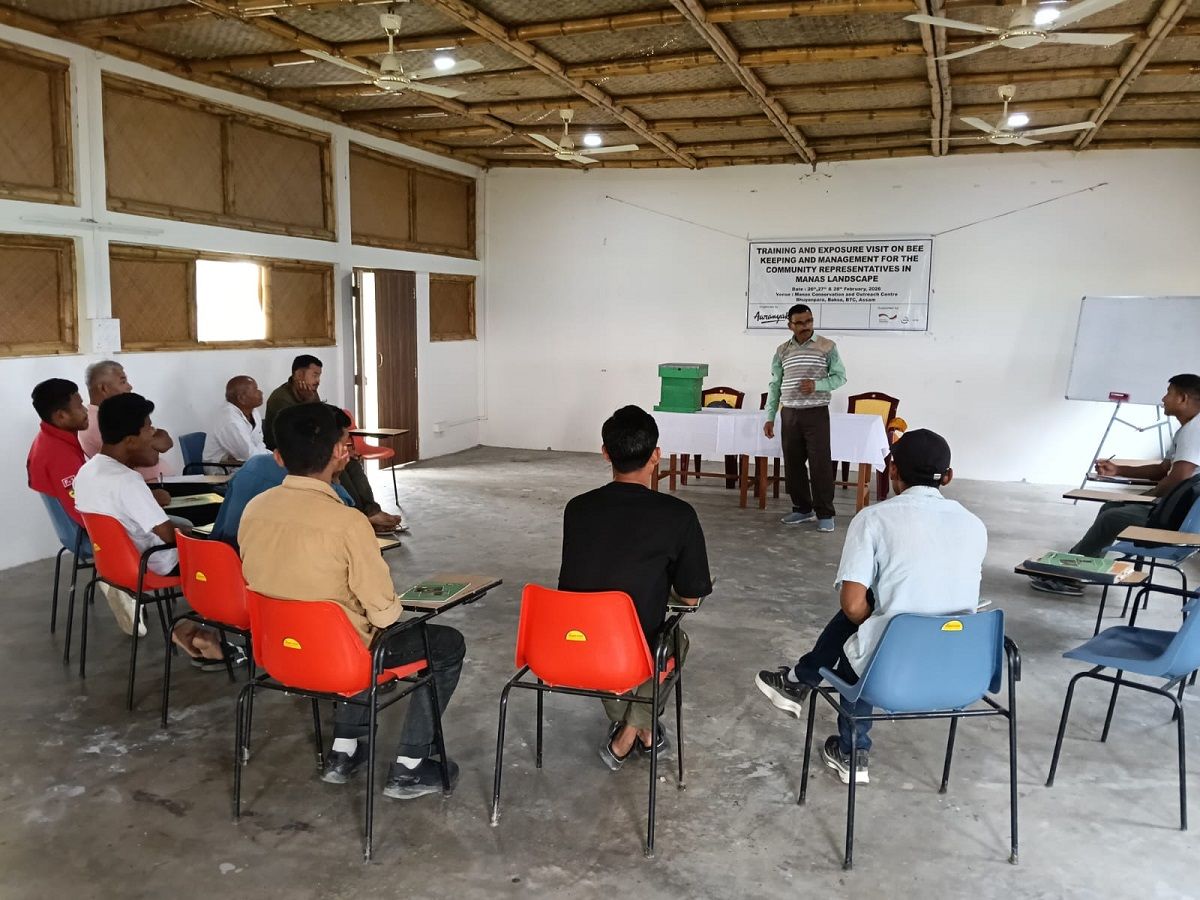
The initiative is being spearheaded by biodiversity conservation organisation Aaranyak as part of its efforts to promote conservation-linked livelihoods in the region. Through a recently conducted three-day technical training programme on scientific beekeeping and honey marketing, 13 participants from villages surrounding the UNESCO World Heritage Site received hands-on training in modern apiculture practices.
The programme has already begun yielding results, with seven trained farmers successfully launching beekeeping activities across three villages, demonstrating the growing potential of honey production as an alternative livelihood in the area.
Conducted by experienced beekeeper and resource person Nava Mahanta, the training focused on the scientific management of Apis cerana, a native honeybee species well suited to the ecological conditions of the region. Participants learned about the crucial role bees play in pollination, biodiversity conservation and ecosystem health, while also gaining insights into the economic prospects of honey production.
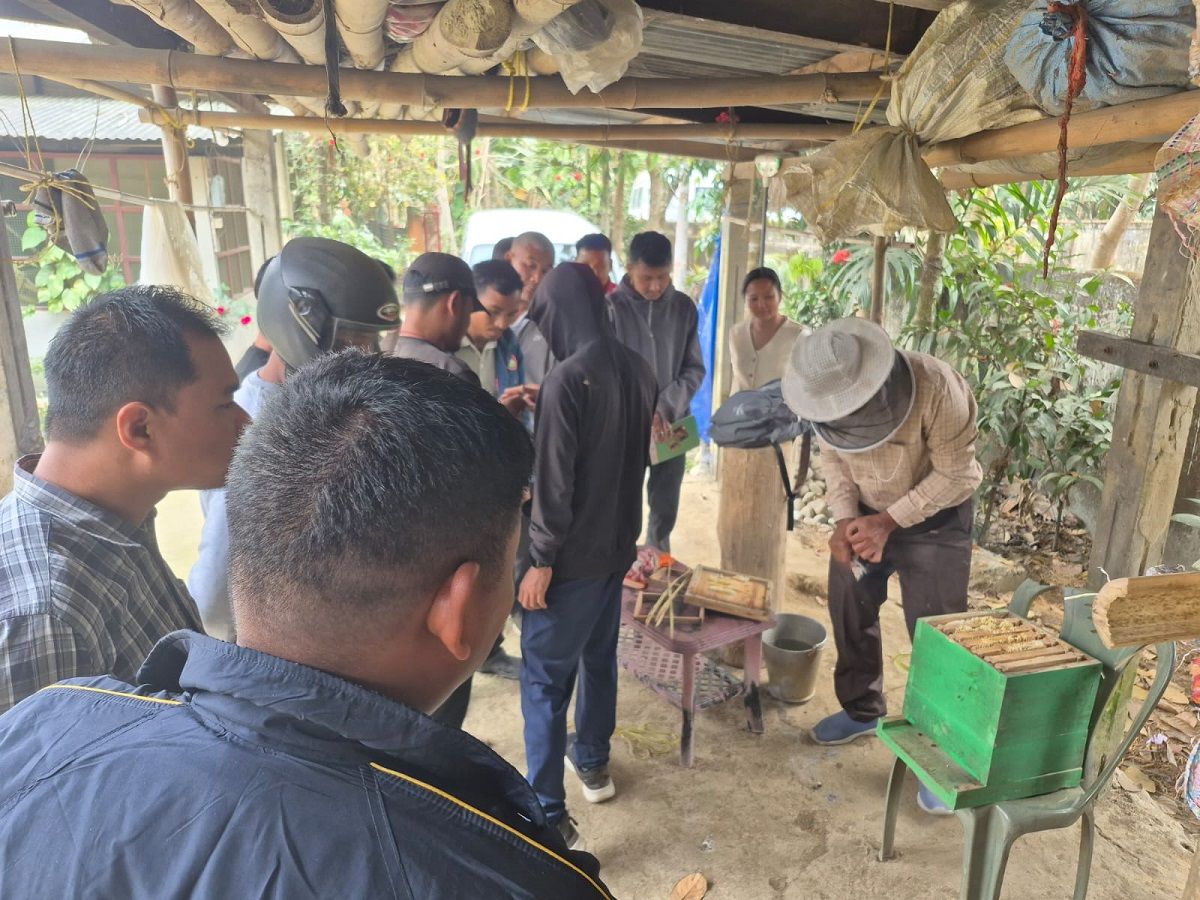
Training sessions covered a wide range of topics, including scientific hive management, site selection, colony establishment, seasonal management, colony multiplication and regular hive inspection. Participants also received practical experience in honey extraction, filtration, storage and quality management.
Special emphasis was placed on identifying and managing common pests and predators, preventive measures and maintaining hive hygiene to ensure healthy bee colonies and improved productivity.
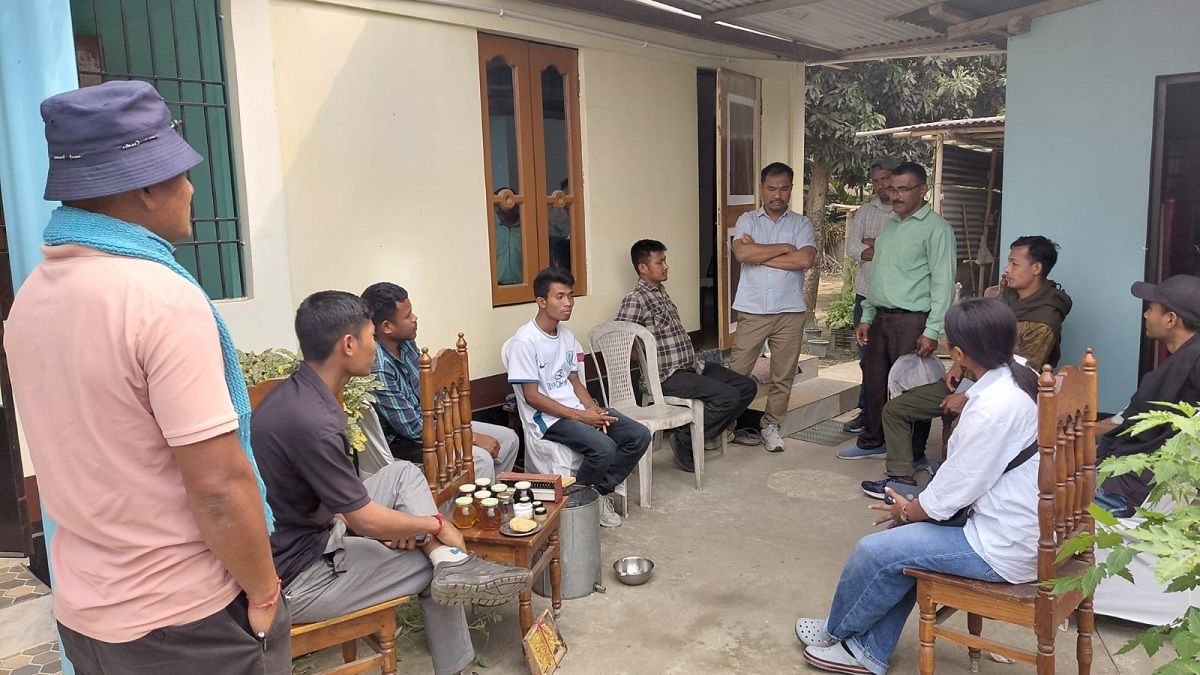
Recognising the importance of market access for the long-term success of beekeeping enterprises, the programme also included sessions on value addition, branding, packaging, labelling, market linkages, record-keeping and basic business planning. Participants were guided on how to transform beekeeping from a supplementary activity into a viable micro-enterprise.
As part of the training, participants visited a successful beekeeping enterprise, where they interacted directly with experienced beekeepers and observed practical aspects of colony management and honey harvesting. The exposure visit provided valuable insights into industry best practices, market opportunities and challenges faced by beekeepers.
To ensure sustained success, Aaranyak plans to provide continuous technical support through regular field visits and a dedicated WhatsApp group managed by experts. The initiative is expected to strengthen confidence among new beekeepers while encouraging knowledge-sharing and collaboration.
The programme was organised under the IUCN-KfW supported project, “Securing Populations of Tigers, Habitats and Biological Corridors in Assam, India.” It was implemented under the leadership of Dr M. Firoz Ahmed, Head of Aaranyak’s Tiger Research and Conservation Division, along with team members Detsang Basumatary, Mamita Narzary, Bijoy Basumatary, Daimalu Basumatary and Pankaj Das.
Through such initiatives, Aaranyak aims to strengthen local livelihoods while promoting biodiversity conservation, demonstrating how sustainable economic opportunities can go hand in hand with environmental stewardship.
Comments (0)
No comments yet. Be the first to share your thoughts.
Leave a Comment