

Lakes: The lifeblood of our planet
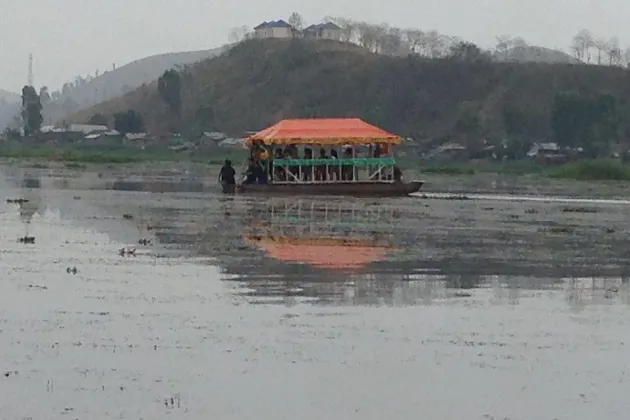

We see big rivers and water bodies across our region. Besides rivers, there are numerous other wetlands and water bodies, including ponds and lakes. Globally, there are estimated to be more than 117 million lakes, covering nearly 4 per cent of the planet’s land surface.
Although most of the world’s freshwater is stored in glaciers and underground, lakes contain about 90 per cent of the planet’s unfrozen surface freshwater, making them critical sources of readily accessible water.
The challenge, however, is that these vital ecosystems are increasingly under threat. Unsustainable human activities, pollution and climate change could significantly degrade their ecological and economic value in the coming decades. It is estimated that by 2050, the ecosystem value of lakes could decline by 20 per cent, while pollution could more than double and methane emissions could surge, fuelling both environmental damage and economic losses.
The decline in freshwater biodiversity is another major concern. Freshwater species have declined by an estimated 85 per cent over the past 50 years.
There should also be some clarity when we discuss lakes. A lake is a large natural body of water surrounded by land. It can contain freshwater or saltwater and is generally larger and deeper than a pond. While many lakes are formed through natural geological and hydrological processes, some are also created by humans. Umiam Lake near Shillong is one such example.
There is no doubt that lakes are among the most vital natural resources on our planet. They provide freshwater for drinking, agriculture and industry and play a crucial role in maintaining biodiversity by providing habitats for fish, plants and wildlife.
Beyond their ecological importance, lakes contribute to climate regulation, help absorb floodwater and store carbon. They also support recreation, tourism and adventure activities. Dal Lake, for instance, is a major tourist attraction, while numerous other lakes across the country sustain local economies and communities.
However, pollution and climate change are placing increasing pressure on these ecosystems. In Assam, we have witnessed growing threats to Deepor Beel, a Ramsar Site and one of the region’s most important wetlands. Many other lakes and water bodies across the Northeast also face a range of challenges.
It is time to act.
Globally, 2026 marks the beginning of the observance of the first World Lake Day (WLD) on August 27. The commemoration is intended to raise awareness about the importance of lakes and highlight ways to protect and restore these vital ecosystems.
Climate change is making the situation even more complicated. Global climate experts have warned that a changing climate is destabilising the hydrological cycle—the finely balanced system through which water is distributed around the planet.
In mountainous regions, rising temperatures are also increasing the risk of glacial lake outburst floods. These potentially catastrophic events can occur when glaciers or ice formations holding back a lake weaken or melt, releasing huge volumes of water downstream.
A 2024 report by the United Nations Environment Programme (UNEP) and UN-Water found that surface water bodies, including lakes, are shrinking or disappearing entirely in 364 basins worldwide—nearly 3 per cent of all basins. An estimated 93.1 million people live in these affected areas.
Pollution is another mounting threat to lakes and the communities that depend on them. UNEP monitors water quality in around 4,000 large lakes worldwide. More than one-quarter are becoming increasingly turbid, or cloudy, while almost 15 per cent are experiencing a rise in organic matter.
UNEP is working with countries around the world to protect, manage and restore freshwater ecosystems, including lakes.
India is home to several important lakes, including Wular Lake, Chilika Lake, Pangong Lake, Gobind Sagar and Nagarjuna Sagar. In the Northeast, Loktak Lake in Manipur, Rudrasagar Lake in Tripura and Chandubi Lake in Assam are particularly important, not only for their ecological value but also for the livelihoods of surrounding communities.
Lakes are much more than bodies of water. They are ecosystems, sources of livelihood, habitats for biodiversity and safeguards against environmental changes.
Protecting them is therefore not only an environmental responsibility but also an investment in our own future.
Let us protect our lakes today for a sustainable life tomorrow.
Comments (0)
No comments yet. Be the first to share your thoughts.
Leave a Comment