

Floods Beyond Rain: How Hill Degradation is Intensifying Upper Assam's Crisis
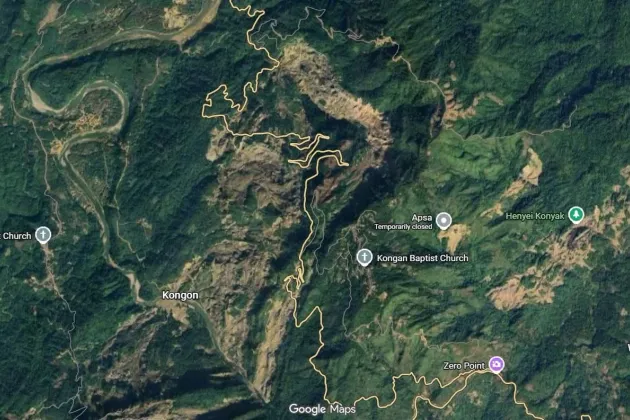

The floods that inundated Upper Assam in July 2026 were not merely a consequence of heavy monsoon rains—they were the outcome of a deeper ecological imbalance that has been silently building over time. While swollen rivers and intense precipitation are often blamed for such disasters, a closer look reveals a more complex and troubling reality rooted in environmental degradation in the hill ecosystems bordering Assam.
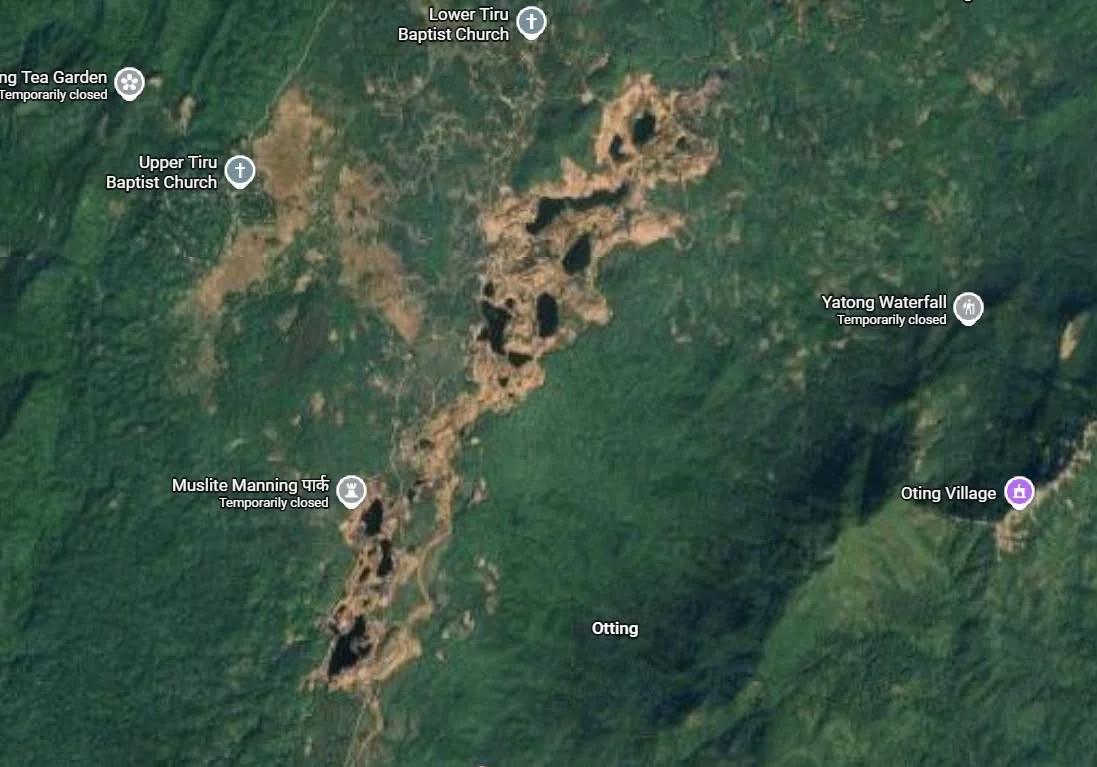
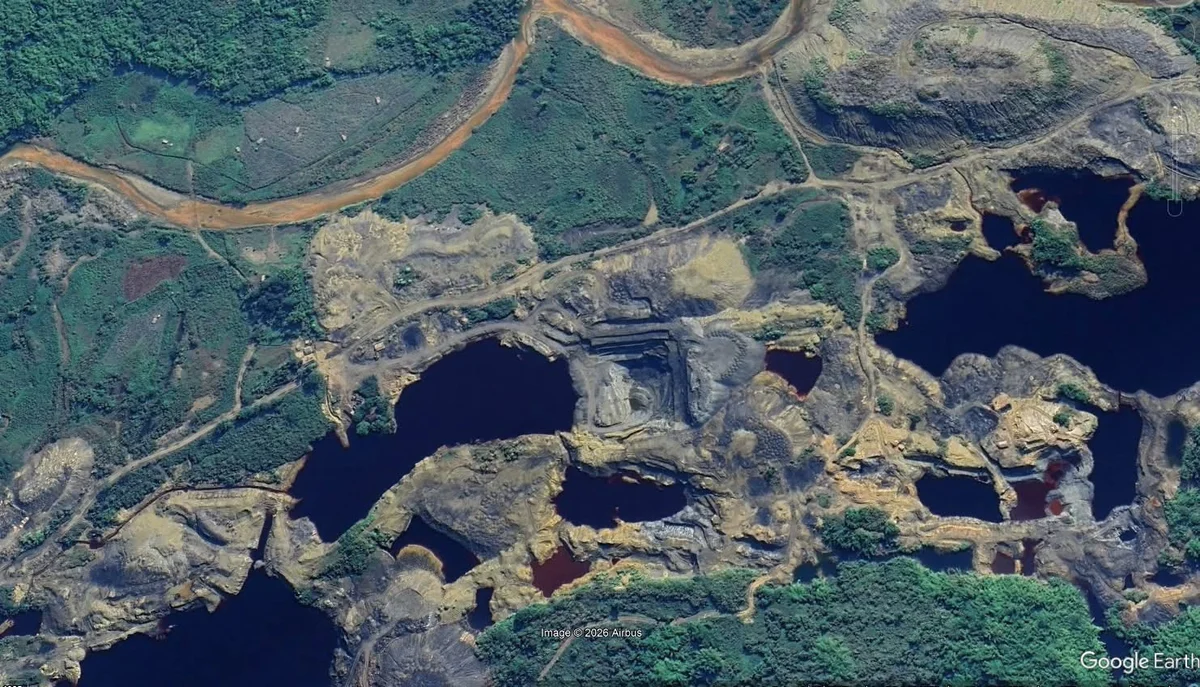
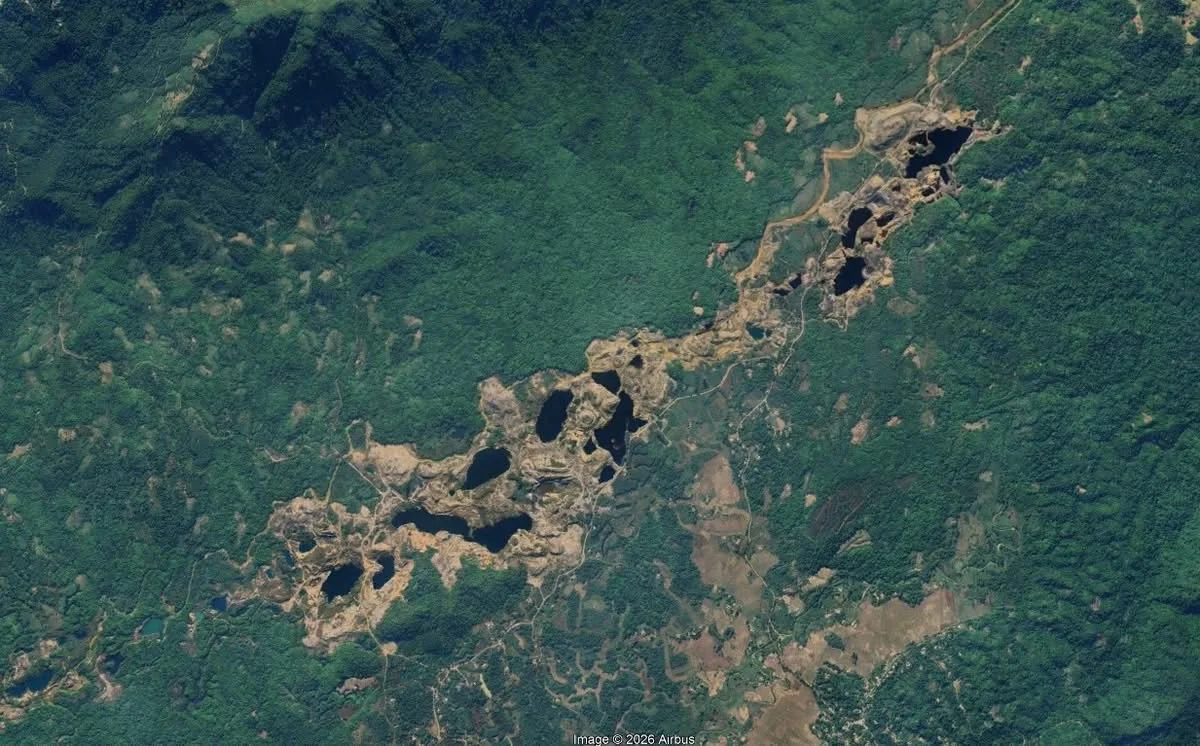
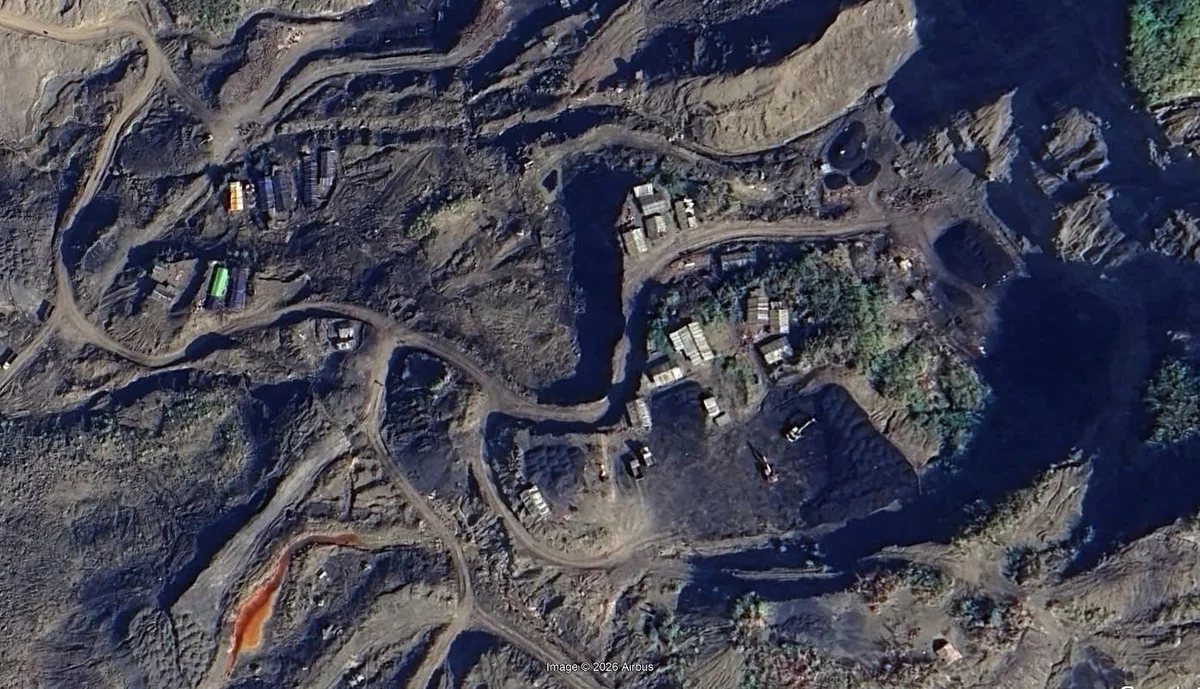
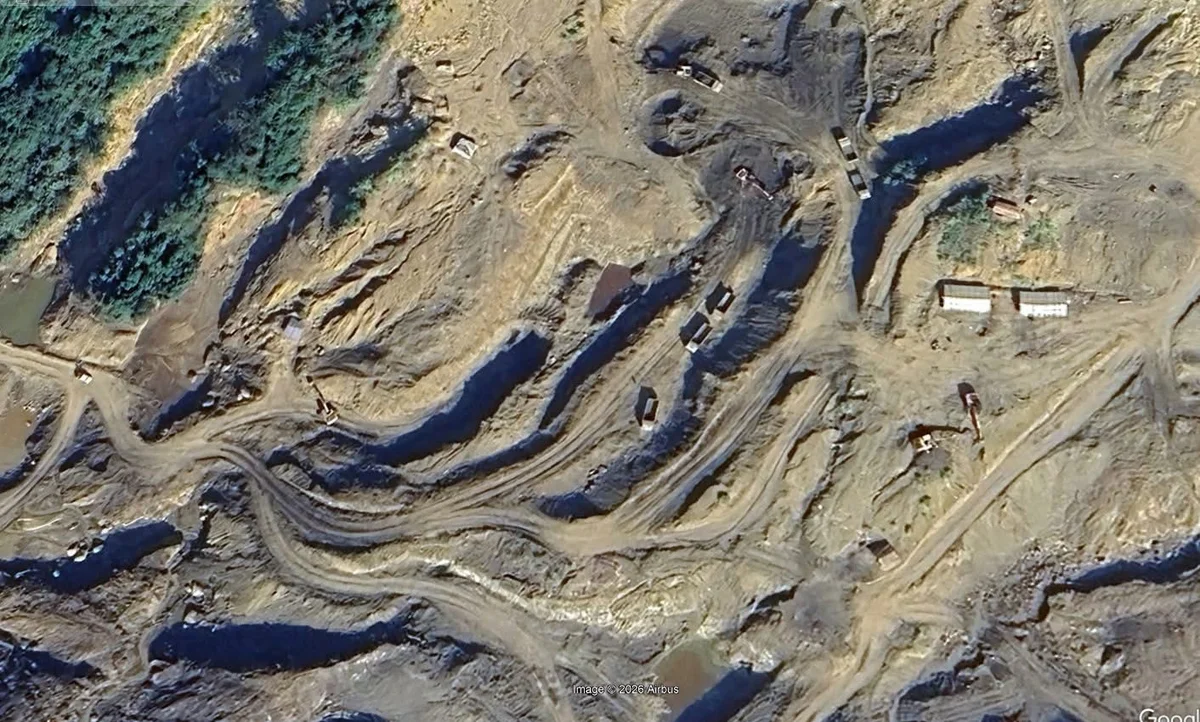
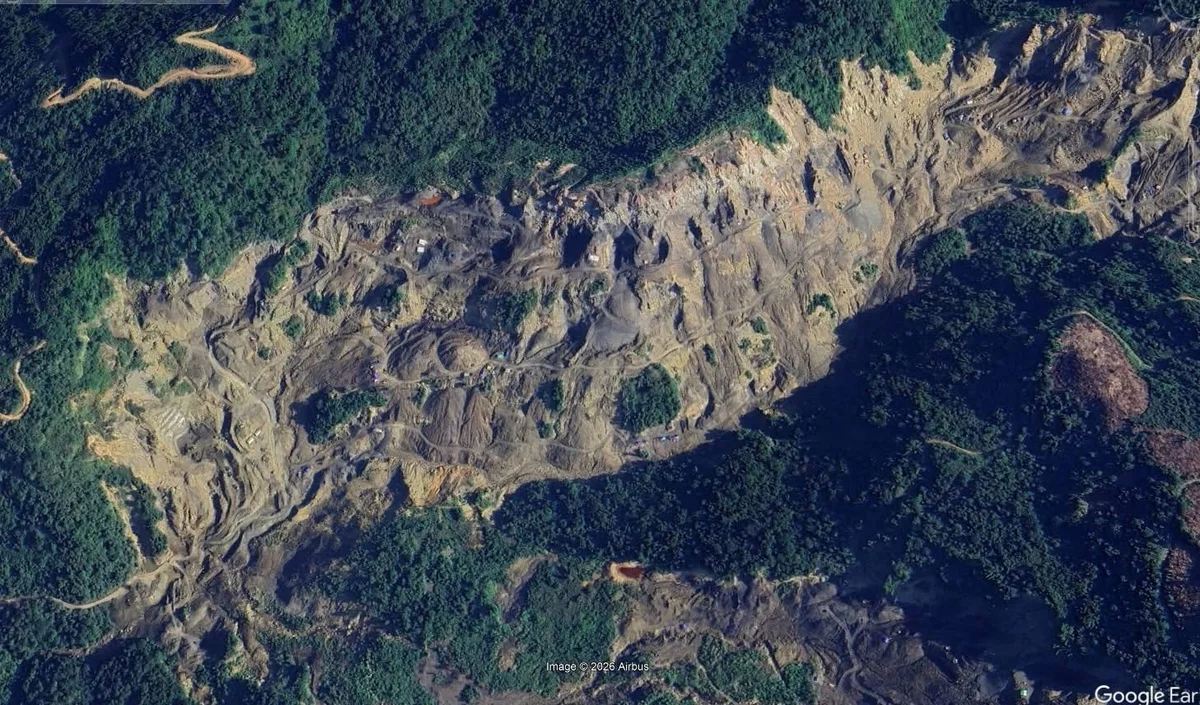
The hill ranges along the Assam–Nagaland boundary, once densely forested and ecologically stable, have undergone significant transformation in recent years. Satellite observations and terrain assessments indicate widespread loss of vegetation cover, particularly in areas impacted by coal extraction. What were once green, water-absorbing landscapes now bear visible signs of disturbance—exposed soil, fragmented terrain, and reduced forest density.
This transformation has serious hydrological implications. Forested hills act as natural sponges, absorbing rainfall and releasing it gradually into river systems. However, when vegetation is stripped away, this buffering capacity is lost. Rainwater, instead of seeping into the ground, flows rapidly downhill, carrying soil, debris, and sediments into rivers. This accelerates river discharge, increases siltation, and ultimately leads to sudden and severe flooding in downstream areas.
The Dikhow River offers a clear example of this altered dynamic. Originating in the hills of Nagaland and flowing through Sivasagar district, the river has increasingly exhibited erratic behaviour during periods of heavy rainfall. The recent floods in Sivasagar, which affected vast populations and submerged extensive agricultural land, were marked not just by their scale but also by their sudden onset. Such characteristics point to disrupted natural flow regulation in the upstream catchment areas.
Coal mining activities in these hill regions appear to be a major contributing factor. Whether regulated or otherwise, mining operations often involve large-scale clearing of forests, excavation of land, and disturbance of fragile ecosystems. Over time, these practices weaken the structural integrity of the hills and diminish their ability to withstand climatic stress. The cumulative effect is a landscape that amplifies, rather than mitigates, the impact of rainfall.
This situation calls for a shift in how flood management is perceived and addressed. Traditionally, efforts in Assam have focused on embankments, drainage systems, and relief measures in the plains. While these are necessary, they address only the symptoms—not the source. True resilience can only be achieved by safeguarding the upstream ecosystems that regulate water flow.
Policy intervention is urgently required. If mining activities in the bordering hill regions are officially sanctioned, there must be a broader national conversation on balancing economic interests with ecological security. Mechanisms for environmental compensation, stricter regulatory oversight, and inter-state coordination should be explored. Conversely, if such activities are illegal, enforcement agencies must act decisively to curb them.
Equally important is the need for ecological restoration. Reforestation of degraded slopes, soil conservation measures, and scientific watershed management can gradually rebuild the natural resilience of these landscapes. Such efforts will not yield immediate results, but they are essential for long-term stability and disaster mitigation.
The recent floods serve as a stark reminder that ecosystems do not adhere to administrative boundaries. What happens in the hills inevitably affects the plains. Ignoring this interconnectedness risks repeating the cycle of destruction year after year.
Upper Assam's flood crisis, therefore, is not just about water—it is about the health of an entire ecological system. Addressing it requires vision, coordination, and a commitment to sustainable practices. Without such an approach, the region will continue to face increasingly severe disasters, with devastating consequences for its people and livelihoods. ▪
Comments (0)
No comments yet. Be the first to share your thoughts.
Leave a Comment