

A heartfelt tribute to poet Anis Uz Zaman

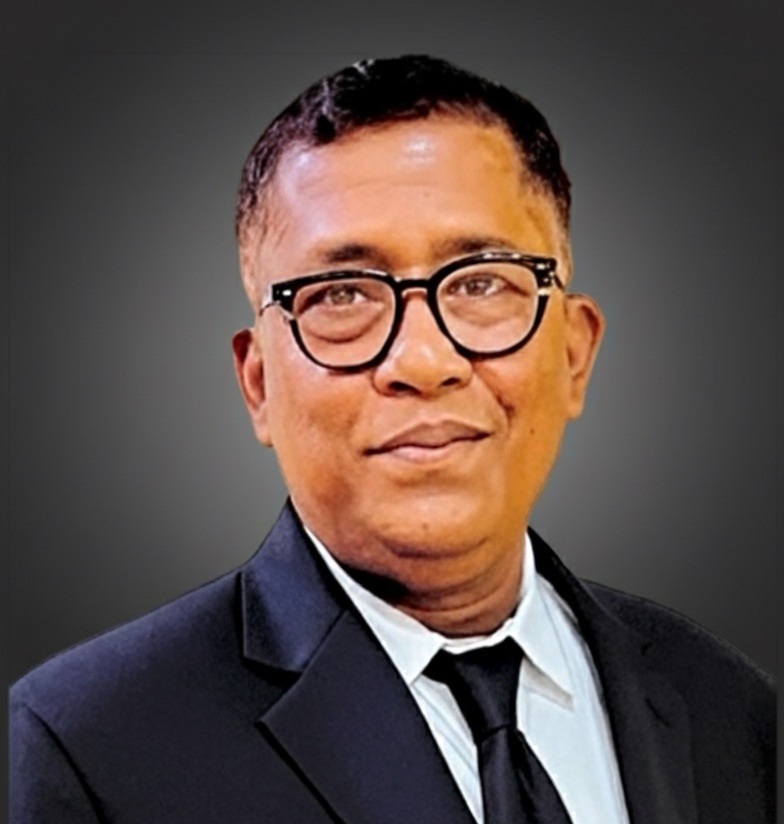
The passing of eminent Assamese poet, writer and former Assam Public Service Commission (APSC) member Anis Uz Zaman on September 20, 2026, marks the end of an important chapter in Assamese literature. He was 79.
While the literary world has lost a respected voice, countless readers like me have lost someone whose words quietly shaped our thoughts, emotions and understanding of life. His demise has left a deep sense of emptiness, and it is difficult to think of Assamese poetry without recalling his gentle yet powerful presence.
Born on February 3, 1947, in Bamunbari village of Sivasagar district, Anis Uz Zaman's journey from a rural setting to becoming one of Assam's respected literary personalities was remarkable. He completed his education at Bamunbari Primary School and Tengapukhuri High School before earning an Honours degree in Assamese from JB College, Jorhat, and later a Master's degree from Gauhati University. His academic background laid the foundation for a life devoted to literature, education and public service.
His professional career reflected his commitment to knowledge and society. He began his career as an assistant editor at Gauhati University Publications under the guidance of renowned writer Bhabendra Nath Saikia. The experience contributed to his literary development. He later joined the teaching profession at Palashbari RB HS and MP School, where he inspired generations of students before taking voluntary retirement.
His appointment as a member of the Assam Public Service Commission from 1998 to 2004 further marked an important phase of his public life.
However, it was as a poet that Anis Uz Zaman made his most enduring contribution. His poetry collections, including Agyate, Godhuli, Seujia Jon, Dokmokali and Ei Batediyei, explored the emotions, struggles and aspirations of ordinary people with sensitivity.
His poems also crossed linguistic boundaries. A Bengali translation of his poetry, Anis Uz Zamaner Kabita, was published in 2010, bringing his work to a wider readership.
As a reader and admirer, I have always found something comforting in his writings. His poems never seemed distant or inaccessible; they spoke directly to the heart. Whether writing about nature, humanity or the quiet emotions of everyday life, his words carried sincerity and compassion. Reading his works often felt like listening to the wisdom of an elder who understood both the beauty and pain of life.
Beyond poetry, Anis Uz Zaman was a writer, editor, actor and author of children's literature. His works for young readers, including Hathat Edin Chiriyakhanat, Binandiya Nodi Aru Baraniya Charai, Tumi Mor Jon Godhulir Hon, Azarar Bojarat Bezerar Pohari and Bortokolar Mel, reflected his interest in nurturing imagination and literary appreciation among children.
He was fluent in Assamese, Bengali, Hindi and English, reflecting the breadth of his literary interests and engagement.
His editorial contributions to Assamese literary magazines such as Sangya and Ramdhenu, as well as his work editing books on Assamese literature and eminent poets, contributed to the preservation and promotion of Assam's literary heritage.
His artistic interests extended to acting. He appeared in television serials based on the works of Jyoti Prasad Agarwala and Medini Choudhury, demonstrating his versatility beyond poetry and prose.
Anis Uz Zaman's literary activities also took him beyond Assam. He represented the state at the International Ramayana Conference in Bangkok in 2000, where he delivered a lecture on Madhav Kandali's Ramayana. He participated in Sahitya Akademi's poets' exchange programmes across India and served twice as president of the Sadou Asam Kabi Sanmilan.
His contributions received recognition in the later years of his life. The Assam Government conferred the Ganesh Gogoi Award on him in 2024. The Asam Sahitya Sabha also recognised him as the "Jatiya Kobi" (National Poet). In the same year, he received the Gangadhar National Award for poetry.
These honours marked recognition of a literary life devoted to Assamese language, poetry and culture.
Anis Uz Zaman is survived by his wife, Dr Shamim Akhtar, and their three daughters.
As his family, admirers and well-wishers gather to bid him farewell, they also remember a life marked by creativity, humility and dedication. His poems and books will continue to remain part of Assamese literary life and reach new generations of readers.
Some writers leave behind books; others leave behind a body of work that becomes part of a people's cultural memory. Anis Uz Zaman's literary contribution belongs to the latter tradition.
As one of his admirers, I bow my head in gratitude for the gift of his words. His voice may have fallen silent, but his writings will continue to speak to readers. May his soul rest in peace, and may his literary legacy continue to inspire generations to come.
Comments (0)
No comments yet. Be the first to share your thoughts.
Leave a Comment