

Assam on alert as upstream floods raise concerns over rising river levels
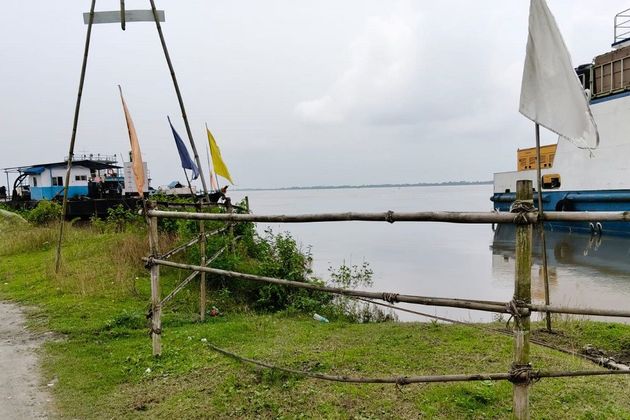
Fresh concerns over flooding have emerged in Assam following flash floods triggered by heavy rainfall in neighbouring Arunachal Pradesh, prompting authorities to closely monitor river levels across several districts of the state.
Officials said a surge in water discharge from the upper catchment areas, particularly along the Subansiri river system, could affect downstream regions in Assam over the coming days. District administrations and disaster management authorities have been asked to remain vigilant as forecasts indicate continued rainfall across parts of the Northeast.
While no major flood situation has been reported in Assam so far, the warning has been enough to put riverside communities on alert. In many villages along the Brahmaputra and its tributaries, residents have begun keeping a close watch on water levels, recalling the devastation caused by floods in previous monsoon seasons.
The districts of Lakhimpur, Dhemaji, Biswanath, Sonitpur, Majuli and Jorhat are among the areas being closely monitored due to their proximity to major river systems receiving runoff from upstream regions.
At Neamatighat in Jorhat district, one of the Brahmaputra's key monitoring points, river conditions are being watched closely by authorities. The historic ferry ghat, which serves as a vital link between the mainland and Majuli, often becomes a focal point during the monsoon as residents gauge the river's mood and movement. According to the Water Resources Department, Neamatighat is among the state's important flood-monitoring stations, with a designated danger level of 85.04 metres.
Officials of the Assam State Disaster Management Authority (ASDMA) said river gauges across the state are under continuous observation and district administrations have been advised to stay prepared for any sudden rise in water levels. Residents in low-lying and erosion-prone areas have also been urged to follow official advisories and avoid venturing into swollen rivers and streams.
For many families living along Assam's riverbanks, the arrival of the monsoon is accompanied by a familiar sense of uncertainty. Though the Brahmaputra remains within safe limits at present, memories of past floods continue to shape the response of communities that have learned, often through experience, to prepare early when upstream waters begin to swell.
With the next 24 to 48 hours expected to be crucial, authorities remain hopeful that the situation will stay under control, even as they keep a close watch on the state's vast river network.
Comments (0)
No comments yet. Be the first to share your thoughts.
Leave a Comment