

Four Lives Lost in Guwahati’s Man-Made Floods
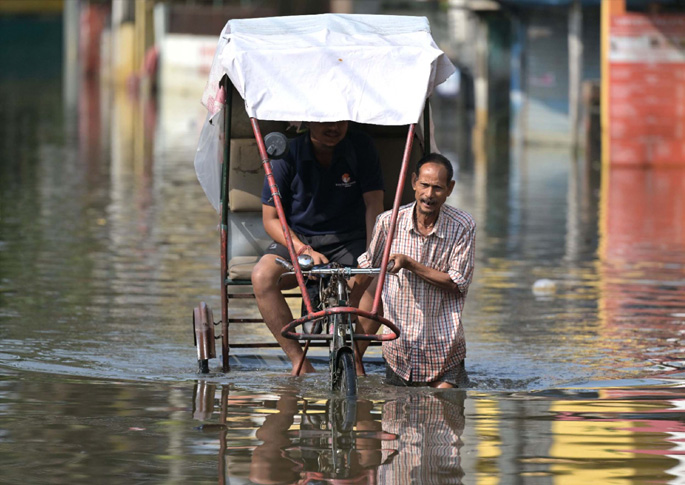

In a grim reminder of the city’s crumbling urban infrastructure, four lives were lost within 48 hours after heavy rains triggered widespread artificial flooding across Guwahati. What should have been a seasonal downpour instead exposed a deadly mix of neglected drains, poor planning, and administrative failure.
The first victim, Payel Nath Das (around 30), a Dharapur resident working at a jewellery shop on GS Road, met a tragic end on the night of April 19. At around 9:30 pm, while wading through knee-deep water at Maligaon Chariali, she slipped into an uncovered roadside drain concealed beneath floodwaters. Her body was recovered 150–250 metres away the next morning by SDRF personnel and local teams. She was declared dead on arrival at the hospital.
By April 21, the toll had climbed to four.
Among the deceased was Asim Kalita of Datalpara, missing since April 19, whose body was later recovered from the Brahmaputra at Jyotikuchi. Akhtar Ali (28), a specially-abled resident of Notboma in Hatigaon, was found dead in the Basistha river at Saukuchi. In a separate recovery, an unidentified male body was retrieved from the Pamohi river near Garchuk.
All four deaths point to a single, recurring cause: a city unable to drain its own rain.
More than 100 mm of rainfall in 24 hours—among the highest April recordings in decades—was enough to paralyse Guwahati, submerging roads, choking natural channels, and turning open drains and manholes into invisible hazards. Low-lying areas became death traps overnight.
Following the Maligaon incident, the Assam government has ordered a magisterial inquiry into Payel Nath Das’s death. Chief Secretary Dr Ravi Kota has directed the Kamrup (Metro) District Commissioner to investigate and fix responsibility, particularly over the exposed drain that claimed her life. Officials have termed the incident “unacceptable”—a word that has become routine after each such tragedy.
As a temporary measure, all educational institutions under the Guwahati Municipal Corporation remained closed on April 20.
Yet, for many residents, the pattern is all too familiar. Each spell of heavy rain brings the same scenes: inundated streets, stalled traffic, and preventable deaths. The latest incidents have once again drawn sharp criticism of Guwahati’s outdated drainage network and chronic neglect in maintenance.
Rescue teams remain on alert, while authorities urge citizens to avoid waterlogged areas. But the larger question persists—how many more lives will it take before the city fixes a problem it has long known?
Comments (0)
No comments yet. Be the first to share your thoughts.
Leave a Comment