
NEADS Assam Participates in the 13th Asia-Pacific Forum on Sustainable Development at UNESCAP

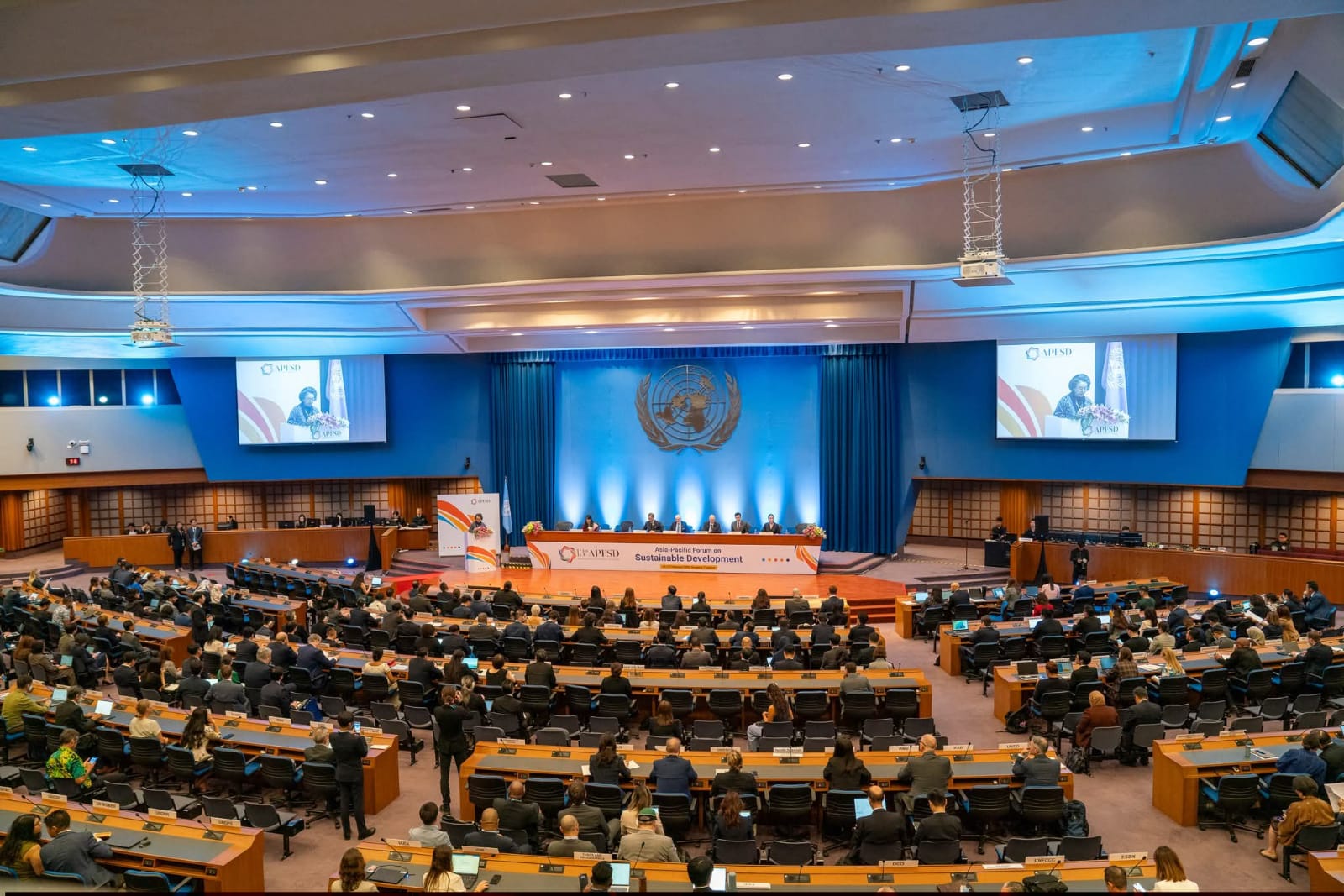
North-East Affected Area Development Society (NEADS), a grassroots civil society organisation based in Jorhat, Assam, participated in the 13th Asia-Pacific Forum on Sustainable Development (APFSD), convened by the United Nations Economic and Social Commission for Asia and the Pacific (UNESCAP) from 24–27 February, 2026, at the United Nations Conference Centre in Bangkok.
Tirtha Prasad Saikia, Director of NEADS, represented the organisation at the Forum. He also participated in his capacity as the Constituency Focal Point for People Affected by Conflicts and Disasters and as a Regional Coordinating Committee Member of the Asia Pacific Regional CSO Engagement Mechanism (APRCEM).
During the Forum, Mr. Saikia delivered an intervention statement on behalf of the constituency of People Affected by Conflicts and Disasters, drawing attention to the lived realities of communities facing recurrent disasters, displacement and climate-induced vulnerabilities across the Asia-Pacific region. He emphasized the urgent need to localise the Sustainable Development Goals through community-led planning and action, recognise grassroots knowledge and frontline responders in resilience-building processes, and strengthen social protection, risk-informed development and inclusive governance for vulnerable populations. He further highlighted the importance of ensuring that policies and financing mechanisms reach communities most affected by disasters and conflicts, while building stronger partnerships between civil society, governments and regional institutions to accelerate equitable recovery and sustainable development.
Mr. Saikia called upon stakeholders to deliver on Grand Bargain commitments by advancing localisation through predictable, flexible and direct funding to rights holders at the local level. He stressed that resilience and humanitarian actions must be localised by recognising communities as equal partners and by strengthening local capacity through sustained public investment in institutions, knowledge exchange and community-led innovation. He underlined that those most affected are not passive recipients of aid but are the first responders and custodians of contextual knowledge, and that their leadership must be recognised as central to sustainable development, peacebuilding and climate action. He also emphasised the vital need to integrate the humanitarian–development–peace–climate nexus within Global Humanitarian Response Plans to address root causes and deliver durable solutions.
The Asia-Pacific Forum on Sustainable Development (APFSD) serves as a key regional mechanism for reviewing progress on the 2030 Agenda and fostering collaboration among governments, UN bodies and civil society to advance inclusive and sustainable development. NEADS participation reinforced the importance of amplifying community voices within regional policy spaces and strengthened collaboration with civil society networks and development actors across Asia-Pacific committed to leaving no one behind.